
Lifestyle
DR MICHAEL MOSLEY: The hidden sleep disorder that can make women feel tired all day
Neque porro quisquam est, qui dolorem ipsum quia dolor sit amet, consectetur, adipisci velit, sed quia non numquam eius.

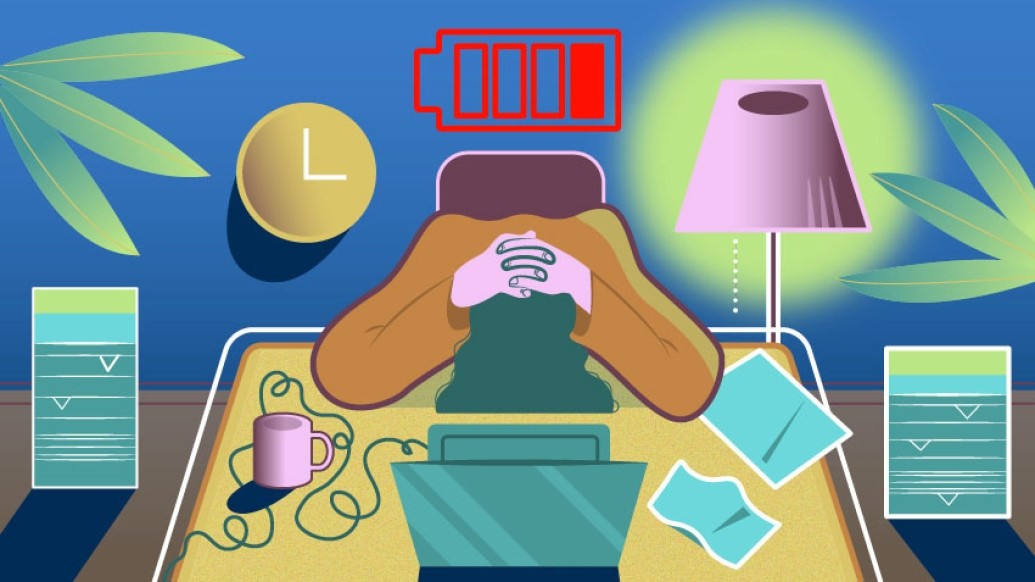
Are you tired all the time? Do you struggle to stay awake in the afternoon and frequently fall asleep watching TV? Has your sex life dried up?
If so, you may be suffering from a commonly undiagnosed disorder called sleep apnoea. It’s estimated that at least ten million people in the UK have sleep apnoea, but fewer than 15 per cent of those affected know they have it, let alone get treated. And the people who are least likely to get treatment are women.
People with sleep apnoea repeatedly stop breathing (it can be for a few seconds or more than a minute) during the night.
That not only disrupts sleep but over time leads to weight gain and an increased risk of heart disease and stroke. It also reduces the production of sex hormones, such as oestrogen and testosterone, although why is not clear, and decreases sex drive.
I’ve always associated sleep apnoea with overweight men who snore, and they are certainly at risk, mainly because excess fat around the neck puts pressure on the upper airway during sleep.
But as I’ve discovered, while making a new series on sleep, it affects all ages — and is very common in women (according to a Swedish study, 20 per cent of women have moderate to severe sleep apnoea and 90 per cent of those don’t know they have it).
The main form of sleep apnoea, obstructive sleep apnoea (OSA), typically happens when your tongue falls back, partially blocking your airway — a loud, snoring sound occurs as air vibrates against the soft tissue as it’s forced past the obstruction.
When it becomes more severe, that blockage means you stop breathing, which wakes you up so that you can shift, perhaps from lying on your back to lying on your side, to clear the blockage.
R egularly cutting off your oxygen supply and constantly waking can be harmful to your brain and to your body. It is a major cause of severely raised blood pressure, which leads to strokes, as well as tiredness and irritability.
It can even kill you. The actress Carrie Fisher, famous as Princess Leia in Star Wars, died from a heart attack at the age of 60 while on a plane. The coroner said that the main contributory factors were untreated sleep apnoea and a build-up of fatty tissue on the walls of her arteries. Men often get diagnosed because their partner notices the snoring, the regular halts in breathing and gasping or snorting noises.
Unfortunately, men don’t seem to recognise when the same thing happens to women, so women don’t get dragged along to the doctor anything like as much.
Women also tend to have slightly different symptoms — so when they do go to the doctor they commonly report fatigue, headaches or having restless legs, for example, which their GP may not immediately recognise as being linked to sleep apnoea. Why women are more prone to these symptoms is unclear, but one theory is that they tend to have different sleep cycles and this leads to fewer but more severe apnoeas (wakings).
Sleep apnoea gets worse after the menopause and this is partly because women are then prone to weight gain, but also because of the drop in the hormones, oestrogen and progesterone, which strengthen the upper airway and stop it collapsing.
A Norwegian study, published last year in PLOS One, found that women with lower levels of these hormones were much more likely to snore and have sleep apnoea.
But if you are referred for tests and it turns out that you have OSA, you have a number of options. Losing weight is a good place to start. Although slim people can develop OSA, it is more common in overweight people.
For a study in Finland, a group of overweight or obese people with OSA were put on a rapid weight-loss diet (800 calories a day for up to 12 weeks; similar to my Fast 800 programme). They lost an average of 10.7 kg, and this cured more than half of them of OSA. Even if they lost and kept off just 3 kg, their chance of curing their OSA was still 38 per cent.
Another option is buying a device that keeps you sleeping on your side, rather than your back. I’ve seen one you wear around your neck while you sleep, which gives you a little buzz when it detects you lying on your back, prompting you to move. Sewing a tennis ball into the back of your pyjamas would have a similar effect. I know people who swear by this.
There’s also something called a mandibular advancement device (MAD), which you normally get from a dentist, that’s a bit like a sophisticated mouthguard. When you put it in at night it brings your lower jaw (and tongue) forward, keeping your airway clear.
If you have severe sleep apnoea, you may be prescribed a CPAP (continuous positive airway pressure) machine. It sits by your bed and pumps air into a mask covering your nose and mouth while you sleep. The pressure of the air keeps your throat open so you don’t stop breathing.
It can be a lifesaver but it does have downsides. You have to wear a mask in bed every night, and looking like Darth Vader can also be a bit of a passion killer.
If nothing else works there is uvulopalatopharyngoplasty — an operation to burn or cut away tissue in your throat to try to clear the obstruction. This has risks, recovery is painful and it is not always effective.
There is, however, other hope on the horizon. In a study published last December in the journal Chest, researchers tested a nasal spray containing a drug designed to prevent the collapse of the upper airway during sleep.
They found it to be far more effective at keeping patients’ airways open compared with a placebo.
The next step is bigger trials but it is an exciting possibility for the millions who are suffering with sleep apnoea — albeit not in silence.









Leadership
Most High Achieving Women Are Overthinking Income, Dr. Stevii Aisha Mills Is Showing Them What Actually Works

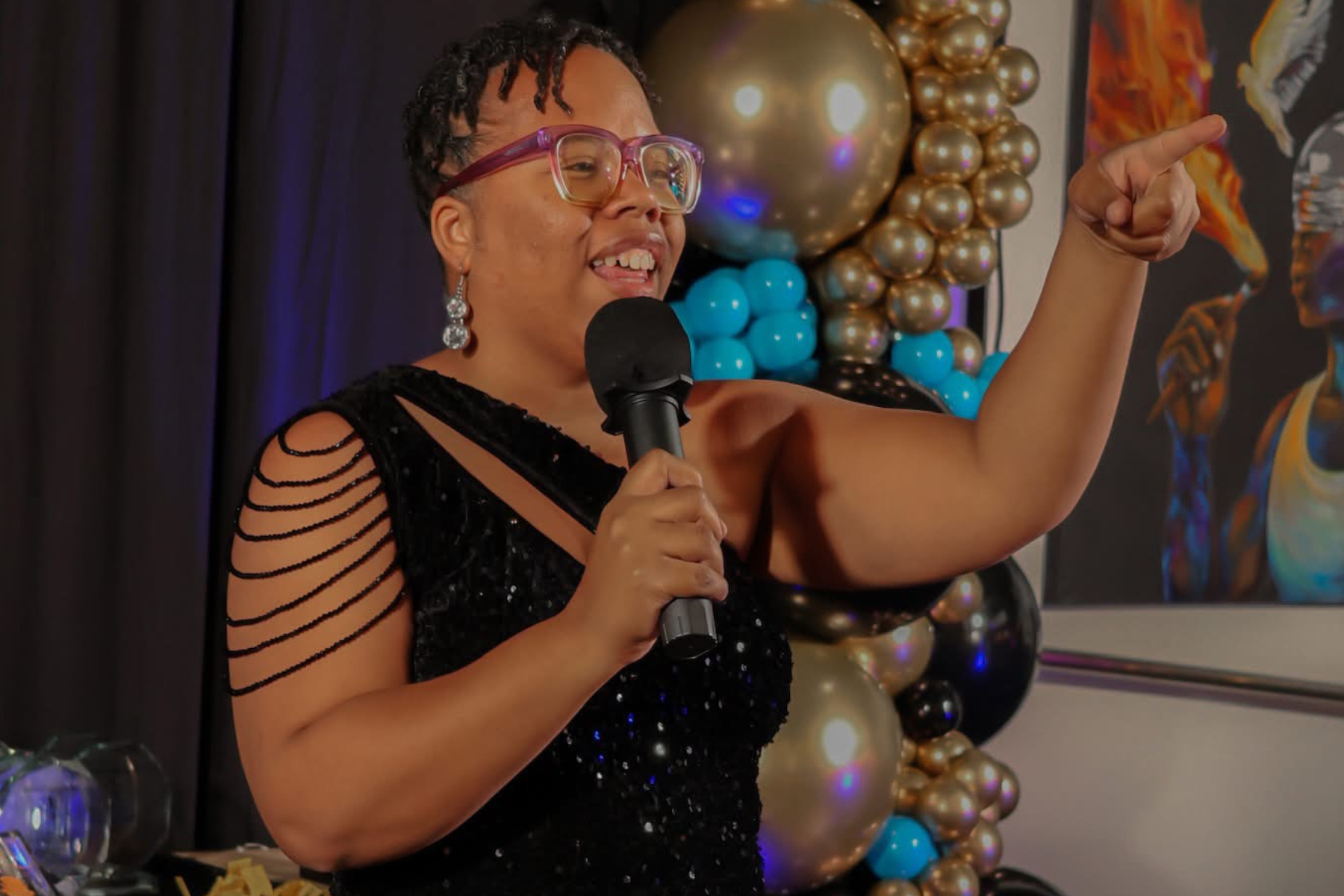
Dr. Stevii Aisha Mills is challenging the way high achieving women think about making money. While many professionals spend months planning, researching, and second guessing their next move, she is focused on one thing, execution.
As a Visibility Coach and Strategist, Dr. Stevii helps high achieving women turn their expertise into income through strategic visibility and consistent action. With more than 30 years of experience in marketing and public relations and over 16 years as an entrepreneur, she has built multiple six figure businesses by committing to what works instead of overcomplicating the process.
That perspective was shaped through experience. After facing significant financial setbacks and rebuilding from less than zero, Dr. Stevii made a defining shift. She stopped relying on complex strategies and focused on taking clear, consistent action that produces results. That decision became the foundation of her work today.
She is the creator of the Click To Cash® framework, a process designed to help entrepreneurs and professionals turn attention into income through visibility and consistency. In addition to coaching and consulting, she is a prolific author with more than 30 published books, including Cultivating Your It Factor and Click To Cash. Her work and entrepreneurial journey have been featured on major media platforms including BET, CBS, FOX, and ABC.
Her message is simple but direct. Visibility is not about popularity. It is about positioning, connection, and creating opportunities that lead to revenue.
Simplifying Success Through Immediate Action
In recent months, Dr. Stevii has intentionally moved away from traditional, slow moving business strategies and toward faster, execution driven models. Rather than encouraging professionals to spend months preparing, she helps high achieving women move from idea to execution in as little as 24 to 72 hours.
This shift has led to the expansion of her Click To Cash® framework into short term, focused experiences designed to eliminate overwhelm and create immediate momentum. These programs are built to help women quickly position themselves, communicate their expertise, and begin generating income opportunities without delay.
She also demonstrates these principles in real time. Through daily content creation and TikTok Shop affiliate marketing, Dr. Stevii shows her audience exactly how attention converts into revenue. Instead of teaching from theory, she models the process as it happens, reinforcing that consistency is what drives results in today’s digital economy.
Another area of growth has been The Permission Slip Club, a community she co hosts with Dr. Marilyn Porter. With more than 30 members and growing, the space is designed to support high achieving women in making bold decisions, increasing visibility, and creating real time income opportunities. The focus is simple, take action, stay visible, and execute consistently.
Elevating Women Leaders and Expanding Community Impact
As her platform grows, Dr. Stevii is using her visibility to highlight other women who are making meaningful contributions in their industries and communities.
Among them is Rhonda Woolard, whose work advances child welfare and sexual abuse support through innovative programs and advocacy. She is also spotlighting Keisha Boatwright, a certified 200 hour yoga instructor and creative entrepreneur who combines wellness and crafting to build community centered experiences.
Dr. Stevii is also highlighting Faye Horton, owner of F S Horton Insurance Professionals LLC, who helps sales professionals scale their authority and impact through high ticket coaching and strategic sales systems. In addition, she is featuring Shawnise White, owner of Beauty Mint Studio, a luxury beauty lounge known for delivering elevated beauty experiences centered on confidence and professionalism.
Through these collaborations, she continues to reinforce a core belief, visibility creates opportunity, not just for herself, but for the women she brings into the spotlight.
At the same time, she remains committed to growing The Permission Slip Club as a space where high achieving women can take action, increase their visibility, and create new income streams through consistent execution.
More information about The Permission Slip Club can be found at signingmyslip.com.
Dr. Stevii Aisha Mills is not just teaching visibility. She is redefining how high achieving women turn what they already know into real income.
Her message is clear. Stop overthinking. Start executing. The results will follow.
Contact Information
Email: stevii@stevii.com
Website: www.stevii.com
Facebook: Stevii Aisha Mills
Instagram: @juststevii
Sponsors:
Shawnise White
Instagram: @beautymintstudio

Keisha Boatwright
Website: www.soulistickesh.com

Rhonda Woolard
Website: www.rjwguidingservices.com

Faye Horton
Website: http://fayesaxonhorton.com

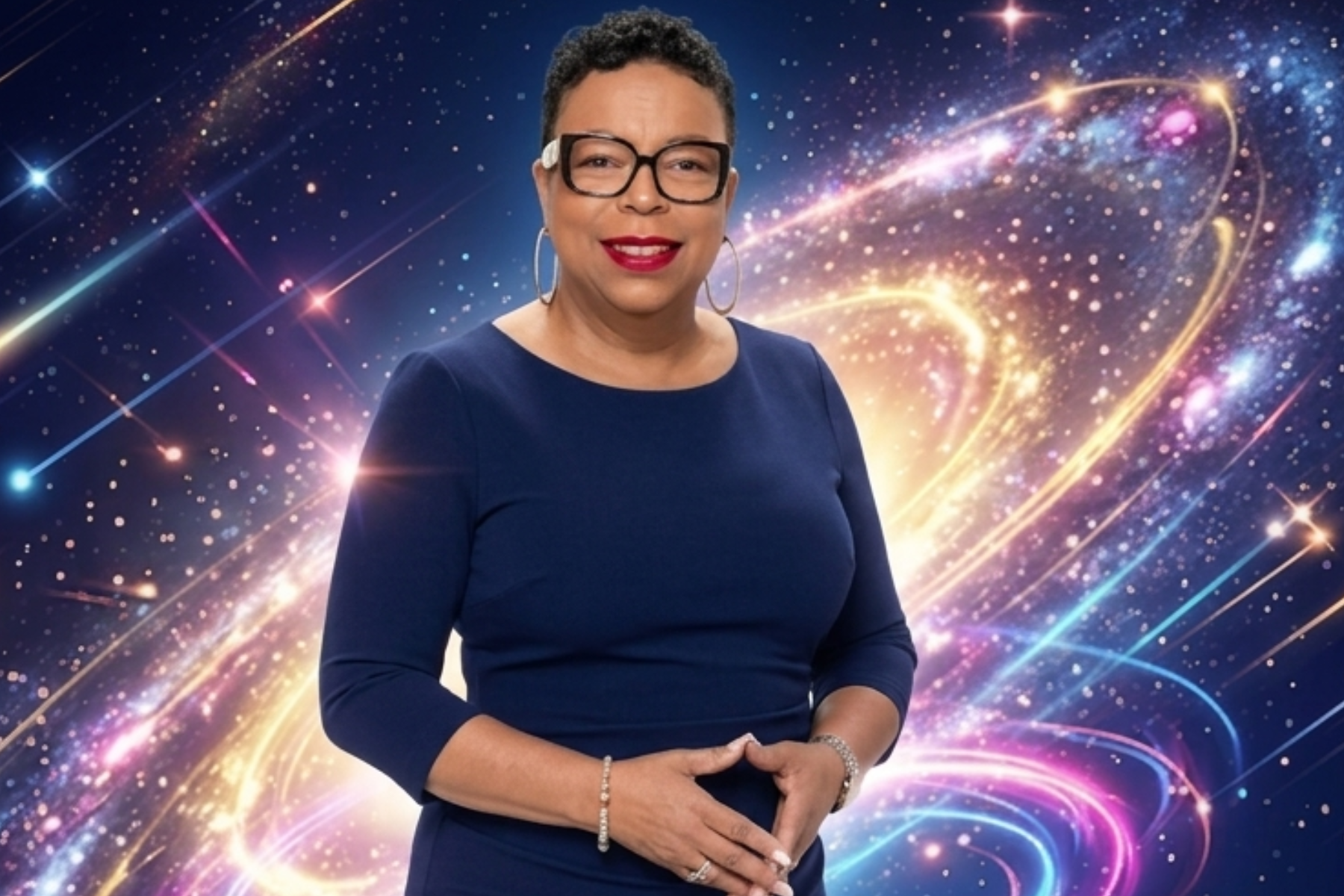
Patricia “Coach Pat” Pearson is an AI Publishing Consultant, helping experts package their expertise into professional branded products that create both impact and income. Through her innovative approach to publishing and business strategy, she empowers entrepreneurs to turn their knowledge into journals, planners, guided workbooks, and other purpose driven products that elevate their visibility, strengthen their authority, and generate additional streams of revenue.
Known for her ability to blend purpose, strategy, and modern technology, Coach Pat has become a trusted voice for entrepreneurs who want to simplify the content creation process without losing authenticity. She teaches clients how to use artificial intelligence as a tool to organize ideas, sharpen messaging, and accelerate the publishing process. Rather than encouraging people to write lengthy traditional books, she focuses on helping them create practical products that directly serve their audience while positioning them as leaders in their industry.
Coach Pat’s work is rooted in the belief that every entrepreneur already possesses valuable wisdom capable of transforming lives. Her mission is to help clients recognize that their experiences, expertise, and insights can become meaningful products that leave a lasting impact. Through coaching, speaking engagements, publishing guidance, and educational resources, she helps purpose driven professionals package what they already know into tools that inspire, educate, and empower others.
Her warm and empowering coaching style has attracted entrepreneurs who desire clarity, confidence, and structure in bringing their ideas to life. Whether working with emerging coaches, established speakers, or service based business owners, Coach Pat equips clients with practical strategies that simplify the publishing journey while preserving the heart behind their message. She is passionate about helping leaders build brands that extend beyond services alone by creating products that strengthen legacy, expand influence, and increase long term opportunities.
At the center of Patricia Pearson’s work is a commitment to helping people move from uncertainty to execution. By combining innovation with intentionality, she continues to inspire entrepreneurs to embrace technology, share their knowledge boldly, and create products with purpose, profit, and meaningful influence.
Turning Expertise Into Branded Products With Purpose
Many entrepreneurs spend years building knowledge, solving problems, and serving people, but they often struggle to package that expertise into something tangible that can expand their brand. Patricia Pearson believes that too many professionals underestimate the value of what they already know. Through her coaching and publishing programs, she helps clients recognize that their knowledge can become products that educate, inspire, and generate long term income.
Coach Pat focuses on helping entrepreneurs create journals, planners, guided resources, and branded materials that provide value to their audience while reinforcing their authority in the marketplace. She teaches clients that publishing is no longer limited to writing a traditional book. Instead, entrepreneurs can develop practical products that meet the needs of their audience while also creating opportunities for visibility, credibility, and recurring revenue.
Her approach is centered on simplicity and execution. Many people delay publishing because they feel overwhelmed by the process or assume they need to spend years writing extensive content. Coach Pat removes that barrier by helping clients organize their ideas strategically and turn their expertise into products that can be created more efficiently. She believes that entrepreneurs already possess the information needed to create impactful resources and that the key is learning how to package it effectively.
What makes her work especially valuable is the way she connects branding with purpose. Every product is designed to align with the entrepreneur’s mission, audience, and long term goals. Rather than creating products simply to sell, Coach Pat teaches clients how to create resources that genuinely help people while strengthening their professional identity. By guiding entrepreneurs through the process of transforming knowledge into meaningful products, she helps them build businesses that are not only profitable but also influential and lasting.
Using AI to Simplify the Publishing Process
Artificial intelligence continues to reshape industries across the world, and Patricia Pearson has positioned herself at the forefront of helping entrepreneurs use AI strategically within publishing and content creation. While many professionals feel intimidated by technology, Coach Pat teaches clients how to embrace AI as a practical tool that simplifies the creative process without replacing authenticity or personal insight.
One of the most important lessons she shares is that AI should support expertise rather than replace it. According to Coach Pat, entrepreneurs already carry the wisdom, experiences, and ideas needed to serve their audience. AI simply helps organize those ideas faster, sharpen messaging, and remove some of the overwhelm that often prevents people from moving forward. This approach allows business owners to focus more on strategy, creativity, and impact instead of becoming stuck in perfectionism or confusion.
Her clients learn how to use AI to brainstorm ideas, structure content, develop outlines, and create branded publishing materials more efficiently. By introducing systems and tools that simplify execution, Coach Pat helps entrepreneurs save valuable time while increasing productivity. This is especially important for busy professionals who want to expand their business but struggle to balance content creation with client work and daily responsibilities.
Coach Pat also emphasizes that technology should never remove the personal connection between entrepreneurs and their audience. She encourages clients to maintain their unique voice, experiences, and perspective throughout the publishing process. AI becomes a resource that enhances efficiency while allowing the entrepreneur’s authenticity to remain at the center of the message.
As more businesses look for innovative ways to stand out in competitive industries, Patricia Pearson believes those who learn to combine technology with purpose will have a significant advantage. Her ability to make AI approachable and practical has helped many entrepreneurs gain confidence in using modern tools to bring their ideas to life faster while maintaining the integrity of their brand.
Building Visibility, Authority, and Additional Revenue Streams
For many entrepreneurs, visibility and credibility are essential to long term business growth. Patricia Pearson teaches clients that creating branded publishing products is one of the most effective ways to establish authority while opening doors to new opportunities. Through journals, planners, guided resources, and educational materials, entrepreneurs can position themselves as trusted experts while creating additional income streams that extend beyond one on one services.
Coach Pat believes that too many professionals rely solely on service based income, which can limit both growth and scalability. By creating products connected to their expertise, entrepreneurs gain the ability to serve more people while increasing brand exposure in a meaningful way. A planner, workbook, or guided journal can continue working for the entrepreneur long after it has been created, helping build recognition and influence over time.
Another major advantage of publishing products is the ability to strengthen audience connection. Coach Pat encourages entrepreneurs to think about the transformation their audience needs and then create resources that help guide them through that journey. Instead of focusing only on promotion, she teaches clients to prioritize service and value. This creates stronger trust with customers while increasing the likelihood of long term loyalty and engagement.
In addition to generating income, published products also create opportunities for speaking engagements, coaching programs, workshops, and partnerships. Coach Pat explains that a well branded product becomes more than an item to sell. It becomes a representation of expertise, professionalism, and leadership. This expanded visibility can lead to greater recognition within an industry and position entrepreneurs for future growth.
Her work continues to inspire purpose driven professionals to think beyond traditional business models and recognize the power of their own intellectual property. By helping entrepreneurs transform knowledge into products with practical value, Coach Pat is equipping leaders to build businesses that create both financial growth and lasting impact.
Creating a Legacy Through Knowledge and Service
At the heart of Patricia Pearson’s work is a commitment to helping entrepreneurs create something that extends far beyond financial success. She believes that knowledge carries the power to influence generations, and she encourages clients to view publishing as an opportunity to leave a meaningful legacy. Through every journal, planner, workbook, and guided product created, entrepreneurs have the chance to preserve their experiences, lessons, and insights in a way that continues serving people long into the future.
Coach Pat often reminds clients that many people are waiting for the exact wisdom they already possess. Whether someone has overcome personal challenges, developed business expertise, or discovered systems that create transformation, those experiences can become valuable resources that help others navigate similar journeys. By packaging knowledge intentionally, entrepreneurs can multiply their impact while building something that reflects their purpose and values.
Legacy, according to Coach Pat, is not only about recognition. It is about contribution. She teaches entrepreneurs to think about how their work can educate, encourage, and empower people beyond immediate business transactions. This mindset shifts the focus from simply creating products to creating meaningful tools that genuinely improve lives.
Her passion for helping others step into greater confidence is reflected in the way she coaches and mentors clients. Many entrepreneurs begin the publishing process uncertain about whether their ideas are valuable enough to share. Coach Pat helps them recognize that authenticity, lived experience, and practical knowledge carry tremendous value when presented with clarity and purpose.
As entrepreneurship continues evolving in the digital age, Patricia Pearson remains committed to helping leaders use innovation responsibly while staying connected to their mission. Through her work as an AI Publishing Consultant, coach, and author, she is helping entrepreneurs create products that generate income, strengthen influence, and leave a lasting legacy rooted in service, empowerment, and transformation.
Contact Information
Email: ppearsonllc@gmail.com
Website: yourknowledgepays.com
Facebook: CoachPatPearson
Instagram: @CoachPatPearson
LinkedIn: Coach Pat Pearson


In a world that never stops spinning, where deadlines, expectations, and digital distractions consume every waking moment, mental wellbeing has become a rare luxury—one that many of us struggle to maintain. But what if improving your mental health didn’t require a grand overhaul of your life? What if simple, everyday changes could have a profound impact on your mood, focus, and overall happiness? The truth is, small adjustments—often overlooked—can lead to transformative results. From the way we sleep to the people we connect with, our daily choices shape our mental state more than we realize. In this fast-paced age, we owe it to ourselves to embrace these simple lifestyle changes that can elevate our mental wellbeing, without the overwhelm. It’s time to take control—one small step at a time.
1. Prioritize Sleep
Sleep isn’t just a luxury—it’s the foundation of mental wellness. In today’s go-go-go culture, many sacrifice rest in favor of productivity, but the truth is, without proper sleep, productivity is compromised. Adequate sleep directly impacts mood regulation, cognitive function, and even emotional resilience. A well-rested mind is clearer, more focused, and better equipped to handle stress. Studies have shown that chronic sleep deprivation can increase the risk of anxiety, depression, and cognitive decline, creating a cycle of mental strain.
Simple Tips to Improve Sleep:
- Create a consistent bedtime routine: Go to bed and wake up at the same time every day, even on weekends.
- Reduce screen time before sleep: Avoid screens for at least 30 minutes to an hour before bed.
- Optimize your sleep environment: Keep your room cool, quiet, and dark for the best rest.
With a little more rest, you’ll find your mood elevated and your mental clarity sharper.
2. Regular Physical Activity
Exercise is one of the most effective—and underutilized—tools for mental wellbeing. It’s more than just about physical health; regular physical activity plays a crucial role in maintaining a healthy mind. When you exercise, your body releases endorphins, the “feel-good” hormones that can lift your mood and reduce feelings of stress and anxiety. Even light activities such as walking, cycling, or yoga can trigger these positive chemical changes, leading to improved cognitive function and emotional stability. The benefits are cumulative, too. Studies consistently show that people who engage in regular physical activity report lower rates of depression and anxiety.
Simple Tips to Stay Active:
- Start with small, manageable exercises: Begin with a 15-20 minute walk or stretch session daily.
- Explore different activities: Yoga, cycling, or even dancing can be fun and effective ways to get moving.
- Set achievable goals: Make exercise a part of your routine—aim for at least 150 minutes of moderate activity a week.
The key is consistency, not intensity. Start small, set realistic goals, and gradually make exercise a regular part of your routine. Your mind—and body—will thank you.
3. Healthy Eating Habits
What you put into your body doesn’t just affect your physical health; it plays a crucial role in how you feel mentally. A balanced diet is essential for proper brain function and emotional regulation. Studies have shown that diets rich in fruits, vegetables, whole grains, and omega-3 fatty acids can improve mood, reduce stress, and enhance cognitive performance. On the flip side, consuming too many processed foods and sugars can lead to energy crashes, irritability, and even feelings of depression.
Simple Tips for Better Eating:
- Include more whole, nutrient-dense foods: Aim to eat a variety of fruits, vegetables, and whole grains.
- Add omega-3-rich foods: Incorporate fatty fish like salmon, chia seeds, and walnuts to support brain health.
- Limit processed foods and sugars: Reducing your intake of refined carbs and sugary snacks can help stabilize mood.
Small changes to your eating habits can have a big impact on your mood and mental clarity.
4. Practicing Mindfulness and Meditation
In a world full of distractions, practicing mindfulness and meditation can offer a powerful antidote to mental overload. These practices help quiet the mind, reduce stress, and increase emotional awareness. Mindfulness teaches us to focus on the present moment, allowing us to let go of anxiety about the past or future. Meditation, even in its simplest form, can bring clarity and peace to a restless mind. Research shows that regular mindfulness practice can reduce the symptoms of anxiety and depression, while also improving memory and focus.
Simple Tips to Practice Mindfulness:
- Start with just 5-10 minutes: Begin your mindfulness journey with short, manageable sessions each day.
- Use apps for guidance: Apps like Headspace or Calm can provide structured meditation sessions.
- Incorporate deep breathing exercises: Deep breathing helps activate the parasympathetic nervous system, which calms the body and mind.
Over time, you’ll find yourself more centered and less reactive to life’s daily stresses.
5. Building Social Connections
We are social creatures by nature, and the strength of our social connections plays a significant role in our mental wellbeing. Having a strong support system—whether it’s friends, family, or community—provides a buffer against stress and feelings of isolation. Socializing not only helps reduce anxiety and depression but also boosts our sense of belonging and self-worth.
Simple Tips to Strengthen Social Connections:
- Regular check-ins: Set aside time to call, text, or meet up with loved ones regularly.
- Join a group or community: Whether it’s a local club, hobby group, or online community, connecting with others is essential for mental health.
- Be open to new connections: Attend social events or volunteer to meet new people and expand your support network.
Building and nurturing your social circle is a simple but effective way to enhance your mental wellbeing.
A New Way Forward
Improving mental health doesn’t require grand gestures or major life changes—it’s the small, consistent actions that matter most. By prioritizing sleep, engaging in regular exercise, eating a nutrient-rich diet, practicing mindfulness, and fostering meaningful relationships, we can enhance our mental wellbeing one step at a time. These lifestyle changes are not just quick fixes—they’re sustainable habits that, when woven into our daily routines, create lasting positive impacts on our mood, energy, and overall mental clarity. Start small, stay consistent, and remember: mental wellbeing is a journey, not a destination. The power to improve your mental health is in your hands, and the path to a better, more balanced life begins today.
-

 Featured2 years ago
20 Entrepreneurs to Watch Closeout 2024
-

 Real Estate2 years ago
Startups Are Looking To Fractionalize Real Estate Assets, But Should They? – Forbes
-

 Innovation2 years ago
Leo Horacio: A Successful Entrepreneur in the Ecommerce and Online Sales Industry
-

 Innovation2 years ago
Innovators in Social-Emotional Learning: Dr. Myava Clark and Chris Clark Jr.
-

 Music2 years ago
Artist Deydee Signs $350,000 Contract with Rueda Empire LLC
-

 Latest2 years ago
Florida Gov DeSantis signs 15-week abortion ban | Latest News
-

 Latest2 years ago
Charles zhang recognized by forbes as #1 on michigan’s 2022 best in state wealth advisor list
-

 Uncategorized2 years ago
Trailblazer in Business: Alicia Fitts on Building Wealth and Community Through Faith