
Latest
After Khamenei: Assessing the Geopolitical Consequences for the Middle East

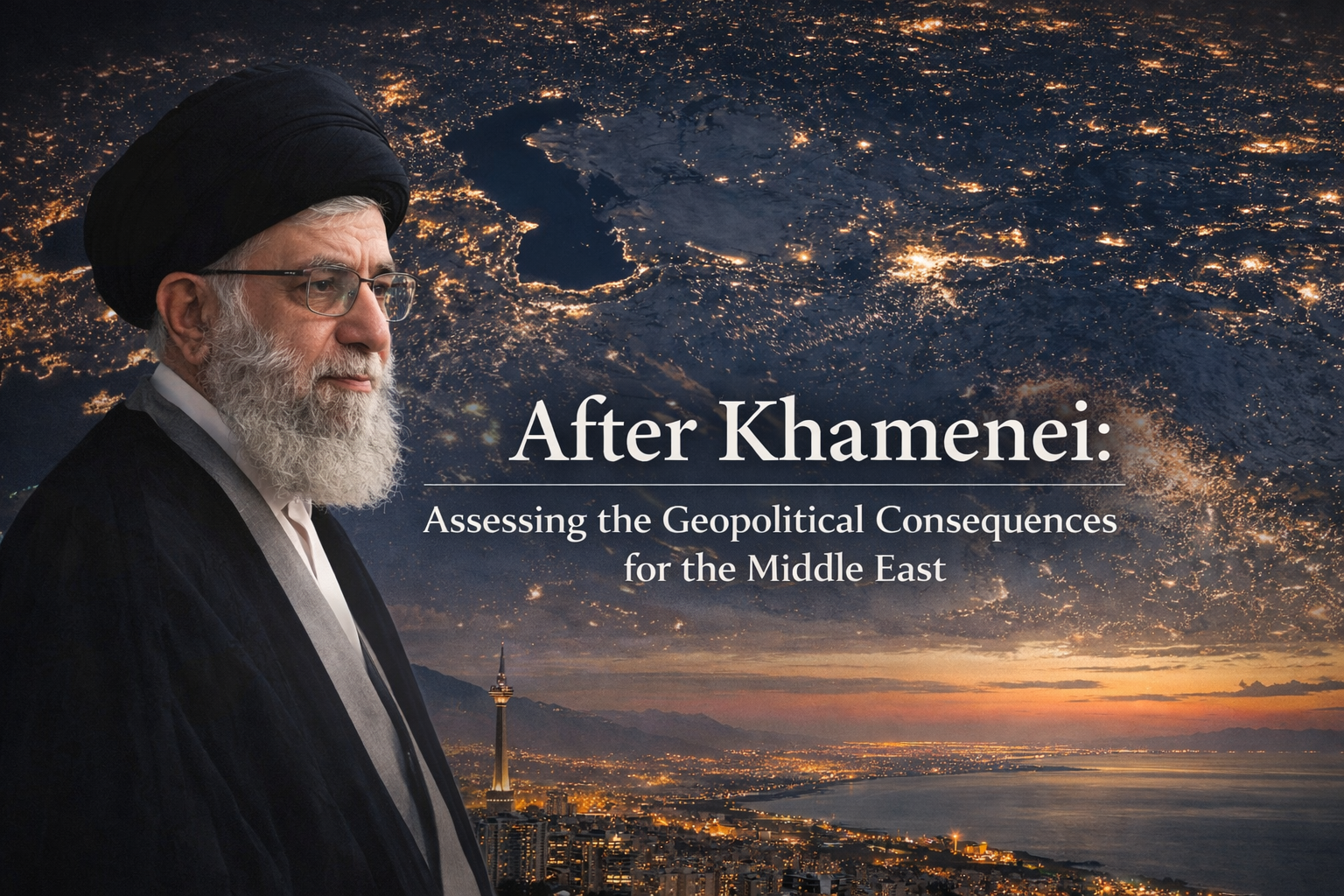
The reported death of Iran’s Supreme Leader Ayatollah Ali Khamenei represents more than a dramatic leadership change inside the Islamic Republic—it signals a potential inflection point for the geopolitical balance of the Middle East.
For over three decades, Khamenei served as the ultimate decision-maker shaping Iran’s foreign policy, military posture, and regional influence through a network of state and non-state actors stretching from Lebanon to Yemen. His sudden absence introduces a rare moment of strategic uncertainty in one of the world’s most consequential energy and security corridors.
As regional powers, global markets, and international policymakers assess the implications, the central question is no longer confined to Iran’s succession process, but whether this transition will recalibrate regional deterrence dynamics or accelerate an already fragile security environment toward broader instability.
Iran’s Internal Power Transition: A System Built Around One Authority
Iran now enters a period of political transition shaped less by formal procedure and more by institutional power balance. The Supreme Leader’s role has historically functioned as the central stabilizing force within the Islamic Republic, meaning succession carries systemic implications rather than symbolic ones.
Key Dynamics Shaping the Transition
Centralized Authority Structure
The Supreme Leader controls Iran’s military command, judiciary, intelligence services, and strategic foreign policy decisions. Leadership change therefore affects the entire governing framework simultaneously.
Role of the Assembly of Experts
While constitutionally responsible for appointing the next Supreme Leader, the clerical body operates within a broader ecosystem of political influence, limiting the likelihood of a purely procedural transition.
Growing Influence of the IRGC
The Islamic Revolutionary Guard Corps has evolved into Iran’s most powerful political-economic actor. Its influence may shape both candidate selection and future governance priorities, potentially strengthening security-driven policymaking.
Factional Competition Within the Elite
Conservative clerics, technocratic political figures, and military leadership may pursue competing visions for Iran’s future direction, increasing the risk of internal friction.
Domestic Economic and Social Pressures
Sanctions, inflation, and recurring protest movements create additional constraints, making political stability during succession more difficult to maintain.
Strategic Implication
Rather than immediate regime collapse, the primary risk facing Iran—and the region—is decision-making uncertainty. During leadership consolidation, foreign policy responses may become less predictable, particularly across Iran’s regional proxy networks and deterrence posture.
Regional Power Dynamics: Israel, Gulf States, and Proxy Networks
Khamenei’s absence immediately alters the Middle East’s strategic equation. Iran’s regional posture was not accidental. It was engineered over decades through deterrence, asymmetric warfare, and proxy influence.
Now, regional actors are reassessing risk.
Israel: Opportunity and Uncertainty
- Israel faces a paradox.
A weakened Iranian leadership may reduce short-term coordination among proxy forces.
But instability increases miscalculation risk. - Iranian retaliation no longer depends on centralized command alone.
Decentralized actors may act independently. - Preventive military doctrine is likely to remain active.
Strategic patience becomes harder during uncertainty.
Gulf States: Stability Above All
- Saudi Arabia and the United Arab Emirates prioritize containment, not escalation.
- Recent diplomatic normalization efforts with Tehran now face disruption.
- Energy infrastructure security becomes a primary concern.
For Gulf economies, instability in Iran translates directly into market volatility and investment risk.
Proxy Networks: The Critical Variable
Iran’s regional influence extends beyond its borders through aligned armed groups across:
- Lebanon
- Iraq
- Syria
- Yemen
These networks were built to function even under leadership pressure. Command fragmentation, however, increases unpredictability.
Local commanders may interpret retaliation thresholds differently. Small conflicts can escalate quickly.
Energy Markets and Global Economic Exposure
Political shocks in Iran rarely remain regional. They move quickly into global markets. Energy is the transmission channel.
Iran sits near the Strait of Hormuz, the world’s most critical oil transit corridor. Nearly a fifth of global petroleum supply passes through this narrow passage daily. Any perception of disruption immediately affects pricing expectations.
Markets react first to uncertainty, not shortages.
Oil Market Sensitivity
- Traders price geopolitical risk instantly.
- Even limited military escalation can trigger sharp volatility.
- Insurance costs for shipping rise before physical supply declines.
Energy markets are therefore responding to risk probability, not confirmed disruption.
The Strait of Hormuz Factor
Iran has historically treated maritime pressure as a strategic lever.
Potential responses include:
- Naval harassment operations
- Temporary shipping disruptions
- Proxy attacks on regional infrastructure
None require full-scale war. All influence global supply confidence.
European and Asian Exposure
Energy-importing economies remain highly sensitive:
- Europe continues managing post-Ukraine energy restructuring.
- Asian economies depend heavily on Gulf oil flows.
- Emerging markets face currency pressure when oil prices rise.
Higher energy costs quickly translate into inflation risk and slower growth projections.
Investor and Market Implications
Financial markets interpret Middle East instability through three lenses:
- Energy price volatility
- Defense sector expansion
- Safe-haven asset movement
Periods of geopolitical uncertainty typically strengthen commodities and defensive investment positions while increasing pressure on risk-sensitive sectors.
A Defining Moment Beyond Iran
The death of Ayatollah Ali Khamenei is not simply the end of a political era in Iran. It marks the removal of one of the Middle East’s longest-standing strategic anchors at a time when global stability is already under strain. What follows is unlikely to be immediate collapse or rapid transformation, but something potentially more consequential: prolonged uncertainty inside a state central to regional security, global energy flows, and great-power competition. I
ran’s next leadership structure will shape deterrence dynamics from the Persian Gulf to the Mediterranean, influencing how allies calculate risk and how adversaries test limits. For policymakers, investors, and regional governments alike, the critical question is no longer whether the Middle East will change—but how quickly instability can spread when a system built around one authority suddenly loses its center. In geopolitical terms, moments like this do not close chapters. They begin new ones.


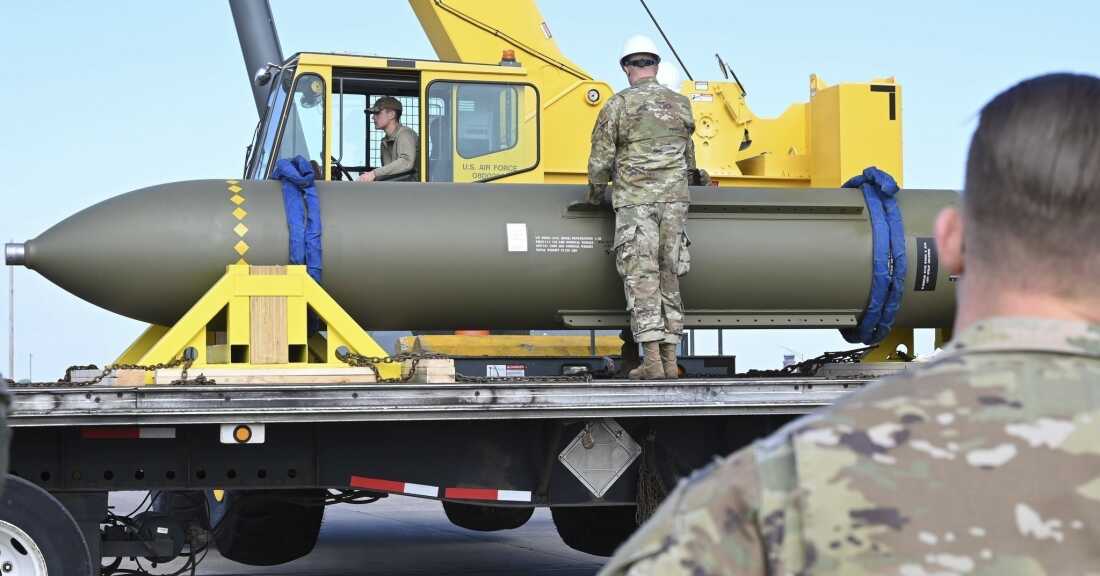
A major military conflict in the Middle East has sharply intensified, with explosions and strikes reported in Iran and across several Gulf states including the United Arab Emirates (UAE). This escalation was triggered after a large-scale attack on Iran by the United States and Israel, which reportedly killed Iran’s Supreme Leader, Ayatollah Ali Khamenei.
What Happened
- In response to the US-Israel airstrikes inside Iran, Iran launched retaliatory missile and drone attacks across the Gulf region, targeting strategic sites including Dubai, Abu Dhabi, Doha (Qatar), Kuwait, Bahrain, and Jordan.
- Dubai International Airport and other infrastructure in the emirate sustained damage from Iranian missiles and drone debris. Dubai’s media office reported four people injured at the airport, and debris set fire to parts of the iconic Burj Al Arab hotel.
- A separate incident at Abu Dhabi’s Zayed International Airport resulted in one fatality and several injuries before that post was later deleted by local authorities.
- The Fairmont The Palm hotel in Dubai was also struck and caught fire, adding to the damage in the city.
Regional Impact
Officials and residents reported multiple explosions and loud bangs as Iran’s missiles were intercepted by defense systems in the UAE and neighboring countries. Smoke and fires were visible around major travel and lodging hubs.
Why This Matters
- Air travel was heavily disrupted: Major regional airports including Dubai, Abu Dhabi, Doha, and Kuwait City were closed as countries shut their airspace amid safety concerns. Tens of thousands of travelers were stranded as flights were canceled or diverted.
- Destabilizing a normally stable region: The Gulf — long considered a secure global travel and business hub — now finds itself drawn directly into regional conflict, prompting emergency measures and travel warnings from governments abroad.
- Diplomatic pressures rise: UAE authorities publicly urged Iran to “go back to your senses” amid growing concern over regional stability and the risk of further escalation.
Context Behind the Strikes
The conflict reportedly began with a joint U.S. and Israeli strike inside Iran, which included the targeted killing of Supreme Leader Khamenei. Iran’s government has vowed to respond to actions it describes as aggression, including by striking U.S. assets and allies in the region.

The wealth gap isn’t new—but it’s widening at a pace that economists call unsustainable. According to Oxfam, the world’s richest 1% now own nearly half of all global wealth. Meanwhile, billions of people are living paycheck to paycheck, with little access to basic healthcare, education, or housing.
The pandemic accelerated this divide. While millions lost jobs, the world’s billionaires collectively saw their wealth soar by trillions. Inflation, rising housing costs, and economic instability have only worsened the squeeze on middle- and low-income families.
This growing inequality isn’t just a moral issue—it’s an economic and political one. Economists warn that when wealth is concentrated in too few hands, overall economic growth slows. Social unrest becomes more likely, and trust in institutions erodes.
Technology plays a role as well. The digital economy tends to reward those with capital and access to innovation, while traditional labor markets shrink. Without intervention, the gap between the tech-rich and the working poor will only expand.
Governments face a tough balancing act. Some advocate for higher taxes on the ultra-wealthy, universal basic income, or stronger social safety nets. Others argue that overregulation stifles innovation and investment. The debate is fierce, and the stakes are high.
One thing is certain: the gap will not close on its own. Leaders must take deliberate steps to ensure that growth benefits more than just the elite few. Otherwise, the promise of global progress risks becoming a story of two worlds—one of extreme wealth, and one of enduring struggle.

On May 10, 2025, the world breathed a cautious sigh of relief as India and Pakistan, two nuclear-armed neighbors with a long history of hostility, agreed to a ceasefire following a series of escalations that threatened to ignite a full-scale war in South Asia.
The Trigger: A Devastating Attack
The conflict reignited after a tragic terrorist attack in the Indian-administered region of Kashmir left 26 civilians dead. The assault, which targeted a busy market in the city of Srinagar, immediately raised suspicions within Indian intelligence circles, who blamed Pakistan-based militant group Jaish-e-Mohammed. India swiftly condemned the attack, calling it a “cowardly act of terror” and vowed to respond with force.
Retaliation and Escalation
Within 48 hours of the attack, India launched a series of targeted missile strikes on what it claimed were militant training camps in Pakistan-administered Kashmir. The air raids resulted in multiple casualties and further inflamed tensions between the two countries. Pakistan responded with its own military mobilization and threats of retaliation, pushing the region to the brink of war.
For days, military analysts and diplomats around the globe watched with increasing concern. Social media lit up with reports of troop movements, blackouts in border towns, and intercepted communications suggesting a possible escalation to conventional warfare. The international community, particularly the United Nations and regional allies like China and the United Arab Emirates, called for immediate de-escalation.
A Surprising Diplomatic Intervention
In a twist that caught many off-guard, former U.S. President Donald Trump stepped in as an unofficial mediator. Leveraging his prior relationships with both Indian and Pakistani leaders from his time in office, Trump initiated a series of behind-the-scenes discussions. According to insiders, the former president made multiple phone calls and engaged in shuttle diplomacy to broker peace.
Critics questioned Trump’s involvement, but even skeptics admitted that his intervention appeared to cool tempers. The talks culminated in an agreement between Indian Prime Minister Arvind Reddy and Pakistani President Ahsan Qureshi to observe a full ceasefire starting immediately.
Terms of the Ceasefire
The agreement included several key components:
- Immediate halt to all military actions along the Line of Control (LoC).
- Establishment of a joint investigation into the Kashmir attack, with representatives from both nations and neutral observers.
- Reinstatement of diplomatic backchannels that had gone cold since 2023.
- A scheduled summit in Geneva in July 2025 to discuss long-term peace frameworks and cross-border terrorism.
Indian Defense Minister Nikhil Menon confirmed the ceasefire in a televised address, stating, “While we will never tolerate terrorism, we recognize the importance of dialogue in preventing further loss of life.”
Reactions at Home and Abroad
Domestically, reactions were mixed. Indian nationalists criticized the government for not pursuing a more aggressive stance, while peace advocates praised the leadership for prioritizing diplomacy over war. In Pakistan, President Qureshi faced both praise for preventing escalation and criticism for conceding too quickly under international pressure.
Global leaders, including UN Secretary-General Antonio Guterres, applauded the ceasefire as a step in the right direction. China issued a statement urging both countries to continue working toward peaceful solutions, while Russia offered to host future peace talks.
What’s Next?
While the ceasefire has brought temporary calm, the underlying issues remain unresolved. The Kashmir region continues to be a flashpoint, and both nations harbor deep mistrust. Experts warn that without substantial policy changes and mutual agreements, future flare-ups are inevitable.
Still, the May 10 ceasefire is a reminder of the power of diplomacy—even when led by unexpected figures. Whether this truce holds or falters will depend on the upcoming Geneva summit and the political will of both nations to choose peace over provocation.
For now, South Asia watches and waits.
-

 Featured2 years ago
20 Entrepreneurs to Watch Closeout 2024
-

 Real Estate2 years ago
Startups Are Looking To Fractionalize Real Estate Assets, But Should They? – Forbes
-

 Innovation2 years ago
Leo Horacio: A Successful Entrepreneur in the Ecommerce and Online Sales Industry
-

 Innovation2 years ago
Innovators in Social-Emotional Learning: Dr. Myava Clark and Chris Clark Jr.
-

 Music2 years ago
Artist Deydee Signs $350,000 Contract with Rueda Empire LLC
-

 Latest2 years ago
Florida Gov DeSantis signs 15-week abortion ban | Latest News
-

 Uncategorized2 years ago
Trailblazer in Business: Alicia Fitts on Building Wealth and Community Through Faith
-

 Latest2 years ago
Charles zhang recognized by forbes as #1 on michigan’s 2022 best in state wealth advisor list