
Lifestyle
Sustainable Living Tips for Everyday Life

In today’s fast-paced world, technology isn’t just advancing; it’s reshaping the very fabric of industries and daily life. From artificial intelligence streamlining healthcare to blockchain revolutionizing supply chains, the digital transformation is happening at lightning speed—and the organizations that embrace these innovations today will define tomorrow’s economy. But this isn’t just about keeping up with the latest buzzwords. Emerging technologies are unlocking opportunities for unprecedented efficiency, security, and growth. Whether you’re a business leader or a curious observer, understanding how these innovations are impacting sectors like finance, retail, and manufacturing is essential to staying ahead of the curve. Let’s dive into the cutting-edge trends that are driving the future of industries across the globe.
Sustainable Eating Habits
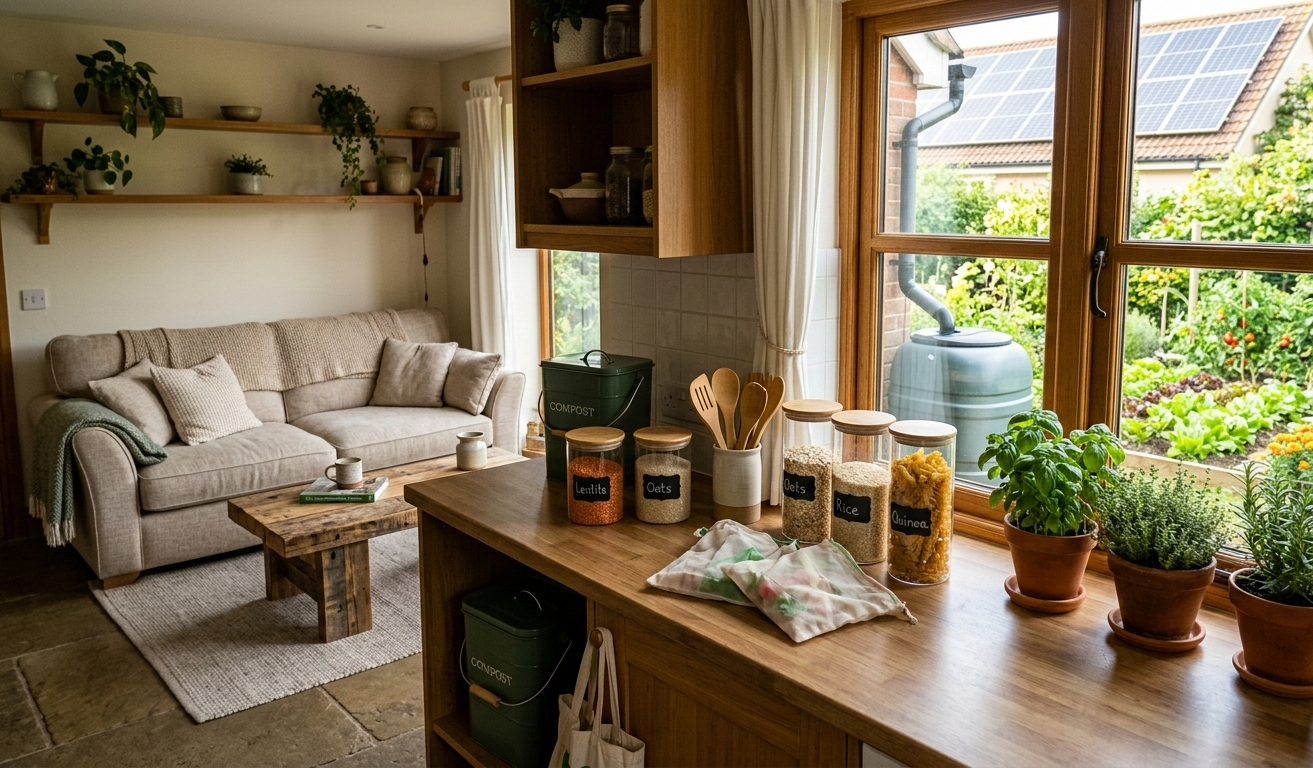
What we eat has a profound effect on the environment. The food production industry is a leading contributor to climate change, from the energy used to grow and transport food to the waste generated by unsustainable practices. Here’s how you can make a difference with your food choices:
- Eat local and seasonal: Supporting local farmers and consuming foods that are in season helps reduce the carbon footprint associated with long-distance food transport. By choosing produce that’s grown nearby, you also support your local economy.
- Plant-based meals: Reducing meat consumption is one of the most effective ways to lower your carbon footprint. Livestock farming is responsible for a significant portion of greenhouse gas emissions, so even incorporating plant-based meals into your diet once or twice a week can have a meaningful impact.
- Reduce food waste: Meal planning, proper food storage, and composting are essential practices for minimizing food waste. A shocking one-third of all food produced is wasted, contributing to both environmental and economic issues. By making sure you use leftovers and composting food scraps, you help divert waste from landfills and enrich your garden.
For example, committing to “Meatless Monday” not only improves your health but also reduces your environmental impact by cutting down on the resources needed for meat production.
Energy Efficiency in the Home
Reducing energy consumption in the home not only lowers your utility bills but also decreases the amount of pollution generated from power plants. Here’s how to make your home more energy-efficient:
- Switch to LED bulbs: LED lights are far more energy-efficient than traditional incandescent bulbs. They use less electricity and last longer, which reduces the frequency of replacement and the amount of waste produced.
- Unplug electronics: Many electronics continue to draw power even when turned off. This “phantom” energy use can add up over time. Unplugging appliances when not in use or using power strips to easily disconnect multiple devices can help reduce unnecessary energy consumption.
- Install energy-efficient appliances: If you’re replacing old appliances, opt for those with an Energy Star rating. These appliances are designed to consume less energy while performing at the same level as their non-efficient counterparts.
- Optimize heating and cooling: Small adjustments to your thermostat can have a big impact. During the winter, lower the temperature by a few degrees when you’re not at home, and in the summer, increase it slightly. Additionally, improving insulation and sealing windows and doors will reduce the need for heating and cooling, saving both energy and money.
Even simple changes, like switching out incandescent light bulbs and ensuring your home is properly insulated, can lead to significant energy savings and a reduced environmental footprint.
Sustainable Transportation
Transportation is a significant source of greenhouse gas emissions, but there are numerous ways to reduce your carbon footprint while getting around:
- Walk or bike: For short trips, consider walking or biking. Not only does this reduce emissions, but it also helps you stay active and healthy.
- Public transportation: Buses, trains, and trams are much more energy-efficient than individual car trips. Public transit reduces congestion, lowers emissions, and helps decrease the demand for new infrastructure.
- Carpooling and ride-sharing: If driving is necessary, consider carpooling with others or using ride-sharing services like UberPool or Lyft Line to reduce the number of vehicles on the road. This simple change can dramatically reduce your emissions per trip.
- Electric vehicles (EVs): The rise of electric vehicles has provided a greener alternative to gas-powered cars. EVs produce zero emissions, and with growing charging infrastructure, they are becoming more accessible for everyday drivers.
For example, taking the bus instead of driving can reduce your carbon footprint significantly over the course of a year, especially if you rely on public transit for regular commutes.
Sustainable Shopping and Fashion
The fashion industry is one of the largest polluters globally, but consumers have the power to change the industry through mindful shopping choices.
- Buy less, choose wisely: Focus on quality over quantity. Instead of buying fast fashion items, invest in durable, timeless pieces that will last longer. Sustainable fashion is about choosing items that you will wear for years rather than following fleeting trends.
- Second-hand shopping: Thrift shopping is an excellent way to reduce waste while finding unique, high-quality items at a fraction of the price. By purchasing second-hand, you’re helping extend the lifespan of clothing that would otherwise end up in a landfill.
- Support sustainable brands: More and more brands are adopting eco-friendly practices, such as using sustainable materials and ethical production processes. Supporting these companies helps push the industry toward a more sustainable future.
- Care for your clothes: Properly maintaining your wardrobe can extend the life of your clothes. Simple practices like washing in cold water, air-drying instead of using a dryer, and repairing clothes when they’re torn can make a huge difference in reducing textile waste.
For example, swapping a fast-fashion impulse purchase for a pre-loved item from a thrift store not only saves money but also reduces the environmental impact of clothing production.
Taking Action: Why It Matters More Than Ever
Adopting sustainable practices doesn’t require radical changes—small steps add up. Whether it’s reducing waste, eating mindfully, or making energy-efficient choices at home, each decision counts. As individuals, we hold the power to influence the future. By incorporating these simple tips into your everyday life, you can help pave the way for a more sustainable, healthier planet—for us and for future generations.

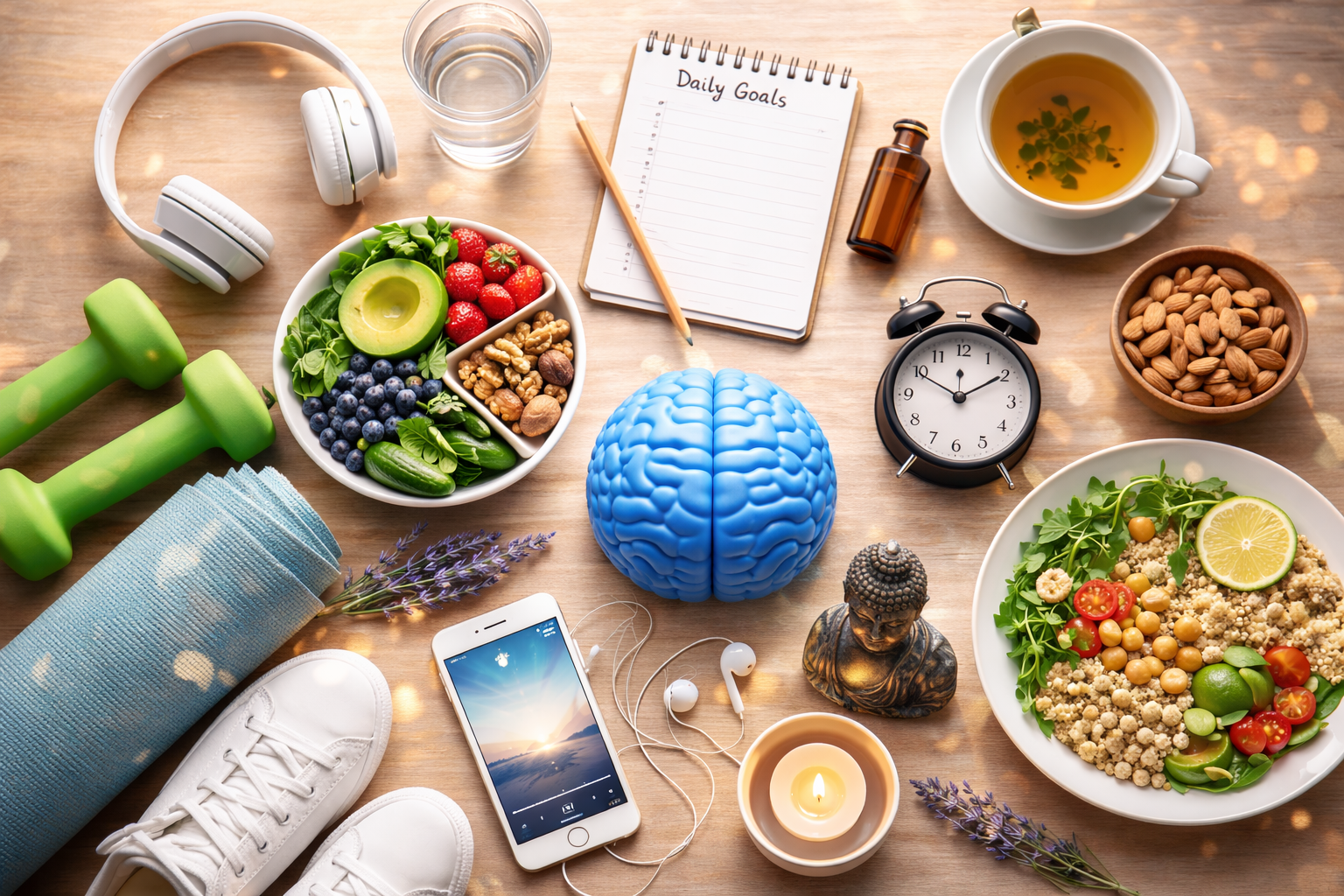
In a world that never stops spinning, where deadlines, expectations, and digital distractions consume every waking moment, mental wellbeing has become a rare luxury—one that many of us struggle to maintain. But what if improving your mental health didn’t require a grand overhaul of your life? What if simple, everyday changes could have a profound impact on your mood, focus, and overall happiness? The truth is, small adjustments—often overlooked—can lead to transformative results. From the way we sleep to the people we connect with, our daily choices shape our mental state more than we realize. In this fast-paced age, we owe it to ourselves to embrace these simple lifestyle changes that can elevate our mental wellbeing, without the overwhelm. It’s time to take control—one small step at a time.
1. Prioritize Sleep
Sleep isn’t just a luxury—it’s the foundation of mental wellness. In today’s go-go-go culture, many sacrifice rest in favor of productivity, but the truth is, without proper sleep, productivity is compromised. Adequate sleep directly impacts mood regulation, cognitive function, and even emotional resilience. A well-rested mind is clearer, more focused, and better equipped to handle stress. Studies have shown that chronic sleep deprivation can increase the risk of anxiety, depression, and cognitive decline, creating a cycle of mental strain.
Simple Tips to Improve Sleep:
- Create a consistent bedtime routine: Go to bed and wake up at the same time every day, even on weekends.
- Reduce screen time before sleep: Avoid screens for at least 30 minutes to an hour before bed.
- Optimize your sleep environment: Keep your room cool, quiet, and dark for the best rest.
With a little more rest, you’ll find your mood elevated and your mental clarity sharper.
2. Regular Physical Activity
Exercise is one of the most effective—and underutilized—tools for mental wellbeing. It’s more than just about physical health; regular physical activity plays a crucial role in maintaining a healthy mind. When you exercise, your body releases endorphins, the “feel-good” hormones that can lift your mood and reduce feelings of stress and anxiety. Even light activities such as walking, cycling, or yoga can trigger these positive chemical changes, leading to improved cognitive function and emotional stability. The benefits are cumulative, too. Studies consistently show that people who engage in regular physical activity report lower rates of depression and anxiety.
Simple Tips to Stay Active:
- Start with small, manageable exercises: Begin with a 15-20 minute walk or stretch session daily.
- Explore different activities: Yoga, cycling, or even dancing can be fun and effective ways to get moving.
- Set achievable goals: Make exercise a part of your routine—aim for at least 150 minutes of moderate activity a week.
The key is consistency, not intensity. Start small, set realistic goals, and gradually make exercise a regular part of your routine. Your mind—and body—will thank you.
3. Healthy Eating Habits
What you put into your body doesn’t just affect your physical health; it plays a crucial role in how you feel mentally. A balanced diet is essential for proper brain function and emotional regulation. Studies have shown that diets rich in fruits, vegetables, whole grains, and omega-3 fatty acids can improve mood, reduce stress, and enhance cognitive performance. On the flip side, consuming too many processed foods and sugars can lead to energy crashes, irritability, and even feelings of depression.
Simple Tips for Better Eating:
- Include more whole, nutrient-dense foods: Aim to eat a variety of fruits, vegetables, and whole grains.
- Add omega-3-rich foods: Incorporate fatty fish like salmon, chia seeds, and walnuts to support brain health.
- Limit processed foods and sugars: Reducing your intake of refined carbs and sugary snacks can help stabilize mood.
Small changes to your eating habits can have a big impact on your mood and mental clarity.
4. Practicing Mindfulness and Meditation
In a world full of distractions, practicing mindfulness and meditation can offer a powerful antidote to mental overload. These practices help quiet the mind, reduce stress, and increase emotional awareness. Mindfulness teaches us to focus on the present moment, allowing us to let go of anxiety about the past or future. Meditation, even in its simplest form, can bring clarity and peace to a restless mind. Research shows that regular mindfulness practice can reduce the symptoms of anxiety and depression, while also improving memory and focus.
Simple Tips to Practice Mindfulness:
- Start with just 5-10 minutes: Begin your mindfulness journey with short, manageable sessions each day.
- Use apps for guidance: Apps like Headspace or Calm can provide structured meditation sessions.
- Incorporate deep breathing exercises: Deep breathing helps activate the parasympathetic nervous system, which calms the body and mind.
Over time, you’ll find yourself more centered and less reactive to life’s daily stresses.
5. Building Social Connections
We are social creatures by nature, and the strength of our social connections plays a significant role in our mental wellbeing. Having a strong support system—whether it’s friends, family, or community—provides a buffer against stress and feelings of isolation. Socializing not only helps reduce anxiety and depression but also boosts our sense of belonging and self-worth.
Simple Tips to Strengthen Social Connections:
- Regular check-ins: Set aside time to call, text, or meet up with loved ones regularly.
- Join a group or community: Whether it’s a local club, hobby group, or online community, connecting with others is essential for mental health.
- Be open to new connections: Attend social events or volunteer to meet new people and expand your support network.
Building and nurturing your social circle is a simple but effective way to enhance your mental wellbeing.
A New Way Forward
Improving mental health doesn’t require grand gestures or major life changes—it’s the small, consistent actions that matter most. By prioritizing sleep, engaging in regular exercise, eating a nutrient-rich diet, practicing mindfulness, and fostering meaningful relationships, we can enhance our mental wellbeing one step at a time. These lifestyle changes are not just quick fixes—they’re sustainable habits that, when woven into our daily routines, create lasting positive impacts on our mood, energy, and overall mental clarity. Start small, stay consistent, and remember: mental wellbeing is a journey, not a destination. The power to improve your mental health is in your hands, and the path to a better, more balanced life begins today.


A new social lifestyle trend is gaining serious attention in 2026 as people around the world adopt daily habits inspired by traditional Chinese culture. What started as a viral social media joke has grown into a broader movement that touches food, wellness, and daily routines — and it’s reshaping how people think about health and lifestyle in the digital age.
What Is “Chinamaxxing”?
The term Chinamaxxing refers to a trend where people — especially in Western countries — embrace lifestyle habits associated with Chinese culture. This ranges from simple everyday practices like drinking warm water and eating traditional meals like congee to mindful activities such as qigong and traditional wellness routines.
Although some people treat it as a playful social media identity shift, others are genuinely embracing these habits for health and well-being benefits. Videos and posts have gone viral on platforms like TikTok, where users share experiences trying new foods, wellness exercises, and other traditional lifestyle elements.
From Social Media to Daily Practice
What makes the Chinamaxxing trend interesting is how it has moved beyond simple memes to influence real daily behavior. People who never considered traditional Chinese practices are now:
- Starting the day with warm beverages instead of cold ones
- Trying traditional foods and herbal ingredients
- Incorporating mindful movement like qigong or gentle stretching into routines
- Using principles from traditional Chinese medicine to guide wellness decisions
Some participants say these practices help reduce stress and promote a slower, more intentional pace of life — a major shift from the fast-paced digital world many are trying to escape.
Why It’s Resonating Now
Experts note that many people in 2026 are looking for lifestyle habits that feel grounded and holistic, rather than constant digital stimulation. The trend taps into a wider cultural desire for authentic, well-being-focused living, where daily habits support emotional and physical health rather than just productivity. Influencers sharing both humorous and sincere content have helped spread the trend widely.
The movement also highlights how global culture continues to influence personal lifestyle choices. Younger generations, in particular, are open to borrowing meaningful routines from diverse traditions and adapting them to fit their own lives.
What It Means for Lifestyle Culture
While some critics see Chinamaxxing as a passing fad or superficial borrowing of another culture, others view it as part of a larger shift toward mindful living and global cultural exchange. For many followers, it is simply a way to explore new habits that feel healthy, calming, and fulfilling.
Regardless of how long the trend lasts, Chinamaxxing shows the power of social media to turn cultural influences into widespread lifestyle movements — and how people today are redefining wellness and daily living in a practical, meaningful way.

Dr. Oliver T. Reid is an international speaker, prolific author, publisher, and transformational coach whose work sits at the intersection of introspection, identity, and execution. With more than 60 published books, over 30 bestsellers, and contributions to more than 30 anthologies, Dr. Reid has established himself as a powerful voice in modern thought leadership and personal development. His work goes beyond motivation, focusing instead on sustainable clarity, ownership, and alignment. As the founder of I Am A Solution Consulting Firm, LLC, he has built a publishing and brand ecosystem designed to help authors, speakers, and entrepreneurs transform their lived experiences into strategic assets.
Widely known for helping individuals and organizations navigate burnout, identity fatigue, and relational exhaustion, Dr. Reid is also the founder and creator of the Interview Game, a self-reflective framework that challenges people to ask better questions of themselves before seeking answers from the world.
As the creator of the M.I.L.K. Writing System™ and the developer of the INNERVIEW methodology, both designed to help individuals extract meaning, structure, and momentum from their ideas and stories, Dr. Reid’s approach blends deep self-reflection with practical frameworks, enabling clients to move from insight to implementation without losing authenticity.
Recognized for both his leadership and cultural impact, Dr. Reid is a 2016 IALA Distinction of Excellence Legendary Honoree, a 2016 to 2017 NAACP Black Men Image Award recipient, and a 2025 Marquis Who’s Who Honoree. Over the course of his career, he has spoken to millions worldwide and coached individuals across four continents, working with emerging leaders and established professionals alike.
At the core of Dr. Reid’s work is a commitment to ownership of voice, narrative, and purpose. Whether through books, stages, podcasts, or coaching spaces, he continues to help people shift from simply sharing stories to building legacies that endure long after the conversation ends.
Dr. Reid has been featured on HuffPost, Black Enterprise, ABC, CBS, FOX, NBC, Roku TV, and other international media outlets.
Anything New That Has Happened in Your Business Within the Last Three Months?
Over the past three months, our work has entered a powerful new chapter rooted in clarity, ownership, and intentional positioning. We have successfully branded and positioned author-entrepreneurs, speakers, and coaches from across the country by helping them reclaim and leverage what they already had, their stories. Rather than encouraging people to manufacture new narratives, we focused on excavating what was already present but underutilized.
Through our publishing and brand ecosystem, we took literary works that had been sitting in journals, half-finished manuscripts, and long-forgotten drafts and transformed them into literary equity. These stories were no longer treated as static content. Instead, they became living assets, appearing on screens, stages, podcasts, and panels, allowing our clients to expand visibility, authority, and revenue streams at the same time.
What made this season different was the level of integration. We didn’t simply publish books and move on. We built brands around those books. Messaging, voice, and purpose were aligned so that each author could move seamlessly between interviews, live events, podcasts, and visual media without fragmenting their identity. The result has been a growing community of leaders who no longer see themselves as “just authors,” but as communicators with intellectual property that continues to work for them long after publication.
This last quarter has been about ownership, owning your message, your narrative, and your impact. Our focus has been helping people move from exposure to equity, and from visibility to sustainability, with intention and clarity guiding every decision.
Over the past three months, Dr. Oliver T. Reid has been co-leading The Intentional Collab, a collaborative ecosystem designed to help entrepreneurs, speakers, and creatives turn their lived experiences into owned intellectual property and sustainable income. Through workshops, coaching, and implementation-based experiences, the initiative centers on literary equity—teaching participants how to document their stories, publish with purpose, and leverage tools such as course creation, content systems, and emerging AI technologies to build long-term value. The Intentional Collab positions storytelling not just as expression, but as strategy—bridging purpose, ownership, and economic empowerment for founders and leaders building with intention.
Do You Have Anything Coming Up Within the Next Couple of Months?
Launching in Q1 and expanding through Q2 of 2026, Podcast to Pages / Pages to Podcast represents the next evolution of our work. This initiative was built specifically for leaders who refuse to let their ideas live in only one lane. Too often, powerful conversations disappear once a podcast episode ends, and impactful books remain confined to the page. This framework bridges that gap.
Podcast to Pages / Pages to Podcast is designed to help podcasters turn conversations into structured manuscripts, while helping authors transform written work into compelling audio experiences. This is not about recycling content for the sake of volume. It’s about repositioning ideas with purpose and strategy so that every message works harder and travels farther.
Through this framework, spoken insights become books, written words become dynamic audio narratives, and both feed into a cohesive brand pathway. Clients don’t walk away with just exposure, they leave with tangible assets: books, podcasts, scripts, and content ecosystems that speak the same language across platforms.
At its core, this (live event, audiobooks,and anthologies) initiative is about multiplication without dilution. It ensures that no idea is wasted, no voice goes unheard, and no message is trapped in a single medium. Podcast to Pages / Pages to Podcast is for leaders ready to shift from content creation to legacy building, intentionally, strategically, and sustainably.
As an international bestselling author, publisher, and coach, Dr. Oliver T. Reid is redefining how entrepreneurs, speakers, and coaches monetize their message through what he calls literary equity. His new two-day, one-on-one VIP Days are not coaching intensives—they’re execution rooms. Working shoulder-to-shoulder at a high level, Reid helps clients extract their lived experience, clarify their intellectual property, and convert it into books, podcasts, platforms, and revenue-ready assets that travel across stages and screens. The outcome isn’t inspiration—it’s infrastructure. In an era where attention is fleeting, Reid’s VIP Days are designed to help leaders own their narrative, build legacy-driven authority, and leave with tangible, market-ready work that continues to pay dividends long after the room is cleared.
Website: https://wroteby.me/thewritingcoach
Contact Information
Email: drolivertreid@iamasolutionconsultingfirm.com
Website: https://www.iamasolutionconsultingfirm.com
Facebook: https://m.facebook.com/drolivertreidthecoach/
Instagram: @drolivertreid
LinkedIn: http://linkedin.com/in/drolivertreid
-

 Featured1 year ago
20 Entrepreneurs to Watch Closeout 2024
-

 Innovation2 years ago
Leo Horacio: A Successful Entrepreneur in the Ecommerce and Online Sales Industry
-

 Innovation2 years ago
Innovators in Social-Emotional Learning: Dr. Myava Clark and Chris Clark Jr.
-

 Music2 years ago
Artist Deydee Signs $350,000 Contract with Rueda Empire LLC
-

 Latest2 years ago
Charles zhang recognized by forbes as #1 on michigan’s 2022 best in state wealth advisor list
-

 Uncategorized1 year ago
Trailblazer in Business: Alicia Fitts on Building Wealth and Community Through Faith
-

 Latest1 year ago
Florida Gov DeSantis signs 15-week abortion ban | Latest News
-

 Lifestyle2 years ago
Phillip Austin brings outlaw country to General Duffy’s stage – The Bulletin