
Leadership
Empowering Lives: A Journey of Financial Freedom and Personal Growth w/ Evangelist Bertha Winston
Neque porro quisquam est, qui dolorem ipsum quia dolor sit amet, consectetur, adipisci velit, sed quia non numquam eius.


www.facebook.com/bertha.winston
www.linkedin.com/in/bertha-winston
www.Instagram.com/winstonexperience
www.retiredanddebtfree.com
www.thewinstonexperience.com
www.destined2millions.com
Evangelist Bertha Winston is a renowned financial expert, writer, and international speaker whose influence extends far beyond her immediate community. She has graced the covers of prominent magazines like Forbes One, Black Woman magazine, Soigne’ + Swank magazine, Nspire magazine, and GLEBB magazine. Her feature on the cover of Women Empowered to Win Global magazine for Mother’s Day and her recognition on a billboard as one of the «2024 Top Women in Business and Ministry» underscores her widespread impact.
Bertha Winston’s literary journey is as impressive as her public presence. She has authored several bestsellers, including «Empowered To Win 4th Edition,» «UNSHAKABLE FAITH,» «Redirect, Redefine & Renew You,» «Love Like You’ve Never Been Hurt,» and «Love, Lead and Let Go.» Her recent releases, «Women Empowered to Win,» «The Glory of His Presence,» and «9 Voices 1 Message,» introduced in Toronto, Canada, demonstrate her dedication to financial empowerment and personal growth.
Having retired from her position as an office manager at a prestigious law firm in the District of Columbia, Bertha has redirected her energies toward guiding people on how to create passive income streams and achieve a debt-free retirement. Her life embodies resilience and faith, serving as a beacon of hope and inspiration to those striving for financial independence.
At the heart of Bertha Winston’s mission is her company, The Winston Experience and Destined2Millions. Through this platform, she guides clients towards achieving financial freedom and creating wealth. What sets The Winston Experience apart is its commitment to treating clients like family. «We don’t judge them, and they feel like we are family and are comfortable working with us because they know that we are going to fight for them to reach their financial goals,» Bertha explains. The company has developed systems that clients can plug into, providing peace of mind and the assurance that they are in good hands.
Bertha’s approach to financial education is unique and impactful. Her methods are designed to help clients grow their money faster and gain the resources needed to help their communities. The emphasis on personal connection and unwavering support is what makes The Winston Experience a standout in the financial services industry.
Beyond her professional achievements, Bertha Winston’s life is a testament to the power of faith and resilience. As a dynamic educator and influencer, she continues to inspire others on their journey to financial independence. Her ability to blend financial expertise with personal empowerment has made her a sought-after speaker and a beloved mentor to many.
Tell us about the latest books that you have published.
I’ve recently published three books that I’m very proud of. The first is «Women Empowered to Win,» which is a collection of inspiring stories from women who have overcome significant challenges and achieved great success in their lives. It’s a testament to the strength, resilience, and determination of women from all walks of life.
The second book is «The Glory of His Presence,» which delves into the profound experiences and testimonies of individuals who have encountered divine presence in their lives. It’s a spiritually uplifting read that showcases the transformative power of faith.
Finally, «9 Voices, 1 Message» is a collaboration featuring nine different authors, each sharing their unique perspectives and insights on a common theme. It’s a rich and diverse collection that brings together a variety of voices to deliver a powerful, unified message,which was introduced in Toronto, Canada.
Can you share a personal story that exemplifies how you embraced change and discovered your true potential?
When I was 62 years old, I found myself at a crossroads. I wanted to retire, but I discovered I had not planned properly and was not financially in a position to retire; therefore, I had to work 10 more years before I could retire. I had always been passionate about helping people, and I enjoyed the moments when I could provide financial advice to friends and family, seeing how it made a real difference in their lives. However, the idea of retiring to pursue something uncertain was daunting.
One evening, I attended a seminar on financial planning, and the speaker’s passion was infectious. It reignited something in me. I realized that it wasn’t too late to make a change, and I decided to take a leap of faith. I enrolled in a financial coaching certification program, dedicating my evenings and weekends to studying. It wasn’t easy balancing work, studies, and family, but my determination grew stronger with each passing day.
Upon completing the program, I faced another significant challenge: building a client base from scratch. I leveraged my network, offering free workshops and seminars to showcase my expertise. Slowly but surely, word of mouth began to spread. Each client success story fueled my passion, reaffirming my decision to embrace this new path.
One particular client, a young couple burdened with debt and financial anxiety, stands out in my memory. Through consistent coaching and personalized financial planning, they managed to turn their situation around, eventually buying their first home. Seeing their joy and knowing I played a part in their journey was incredibly fulfilling.
Looking back, the decision to embrace change at 62 was one of the best decisions I have ever made. It not only allowed me to discover my true potential but also brought a sense of purpose and fulfillment that I had been missing. Now, as a financial coach at 73, I continue to inspire others, showing them that it’s never too late to pursue your passion and make a meaningful impact.
How are you helping people in the finance and credit world?
As a financial coach, I help individuals and businesses navigate the complexities of finance and credit through personalized guidance and education. My approach includes:
- Financial Literacy Education: I provide workshops, seminars, and one-on-one coaching sessions to educate clients on fundamental financial concepts, such as budgeting, saving, investing, and credit management. By enhancing their financial literacy, clients are better equipped to make informed decisions.
- Customized Financial Planning: I work closely with clients to develop tailored financial plans that align with their unique goals and circumstances. This includes creating budgets, setting savings targets, planning for retirement, and managing debt.
- Credit Improvement Strategies: I assist clients in understanding their credit reports and scores, identifying areas for improvement, and implementing strategies to enhance their creditworthiness. This can involve disputing inaccuracies, reducing debt, and establishing positive credit behaviors.
- Debt Management and Reduction: I help clients develop strategies to manage and reduce their debt, whether it’s through consolidating loans, negotiating with creditors, or creating repayment plans. The goal is to alleviate financial stress and move towards financial stability.
- Investment Guidance: I provide insights into various investment options and help clients build diversified portfolios that match their risk tolerance and financial goals. This includes education on stocks, bonds, mutual funds, and other investment vehicles.
- Ongoing Support and Accountability: I offer continuous support and accountability to ensure clients stay on track with their financial goals. Regular check-ins and progress reviews help clients remain motivated and make necessary adjustments to their plans.
Through these efforts, I empower clients to achieve financial independence, build wealth, and secure their financial future.
How has your experience as the eldest of eleven children influenced your approach to leadership and motivation?
While I am the eldest of eleven children, my upbringing was distinct as I was adopted and did not live with my biological siblings. This unique situation has still influenced my approach to leadership and motivation in several ways.
Knowing that I have biological siblings with different life experiences has heightened my awareness of diverse perspectives. This understanding helps me appreciate the varied backgrounds and viewpoints within my team, fostering an inclusive and empathetic leadership style.
Growing up in an adoptive family taught me resilience and adaptability. These qualities are essential in leadership, enabling me to navigate change and uncertainty with confidence. I encourage my team to be flexible and open to new ideas, helping them thrive in dynamic environments.
Although I did not grow up with my biological siblings, the knowledge of their existence instilled in me the importance of connection and relationships. I prioritize building strong, supportive relationships within my team, emphasizing collaboration and mutual respect.
My unique family background has reinforced the significance of individual growth and self-discovery. As a leader, I strive to understand the personal and professional aspirations of each team member, providing opportunities for development and growth tailored to their needs.
Understanding the complexities of family dynamics, both biological and adoptive, has deepened my empathy and compassion. I lead with a focus on understanding and addressing the emotional and practical needs of my team, creating a supportive and nurturing environment.
Recognizing that everyone’s journey is different, I motivate my team by understanding their individual motivations and aligning them with our collective goals. This personalized approach helps each member feel valued and driven to contribute their best.
While my experience as the eldest of eleven children is unconventional, it has profoundly shaped my leadership and motivational approach. I lead with empathy, adaptability, and a focus on building meaningful connections, ensuring that each team member feels supported and empowered to achieve their full potential.
What advice would you give to someone who is facing a difficult period and needs to find their inner strength?
Facing a difficult period can be incredibly challenging, but finding your inner strength is essential to overcoming adversity.
1. Acknowledge Your Feelings: Accepting your emotions is the first step. It’s okay to feel overwhelmed, anxious, or upset. Acknowledging these feelings without judgment can provide clarity.
2. Set Small, Achievable Goals: Breaking down larger challenges into smaller, manageable tasks can help create a sense of accomplishment and progress. Celebrate each small victory.
3. Seek Support: Don’t hesitate to reach out to friends, family, or a support group. Talking about your struggles can provide relief and new perspectives.
4. Practice Self-Care: Prioritize activities that nurture your physical, emotional, and mental well-being. This could include exercise, meditation, hobbies, or simply taking time to rest.
5. Stay Positive: Focus on positive aspects of your life and things you’re grateful for. This can shift your mindset and provide motivation to keep going.
6. Learn and Adapt: View challenges as opportunities for growth. Reflect on what the situation can teach you and how you can use this knowledge in the future.
7. Financial Management: Since financial stress can exacerbate difficult times, create a budget and identify areas where you can cut costs. Seek professional financial advice if necessary.
8. Stay Connected: Maintaining social connections can provide emotional support and practical help. Engaging with a community can reduce feelings of isolation.
Remember, everyone has inner strength, and often it’s through facing and overcoming challenges that we discover just how resilient we are.








Leadership
Most High Achieving Women Are Overthinking Income, Dr. Stevii Aisha Mills Is Showing Them What Actually Works

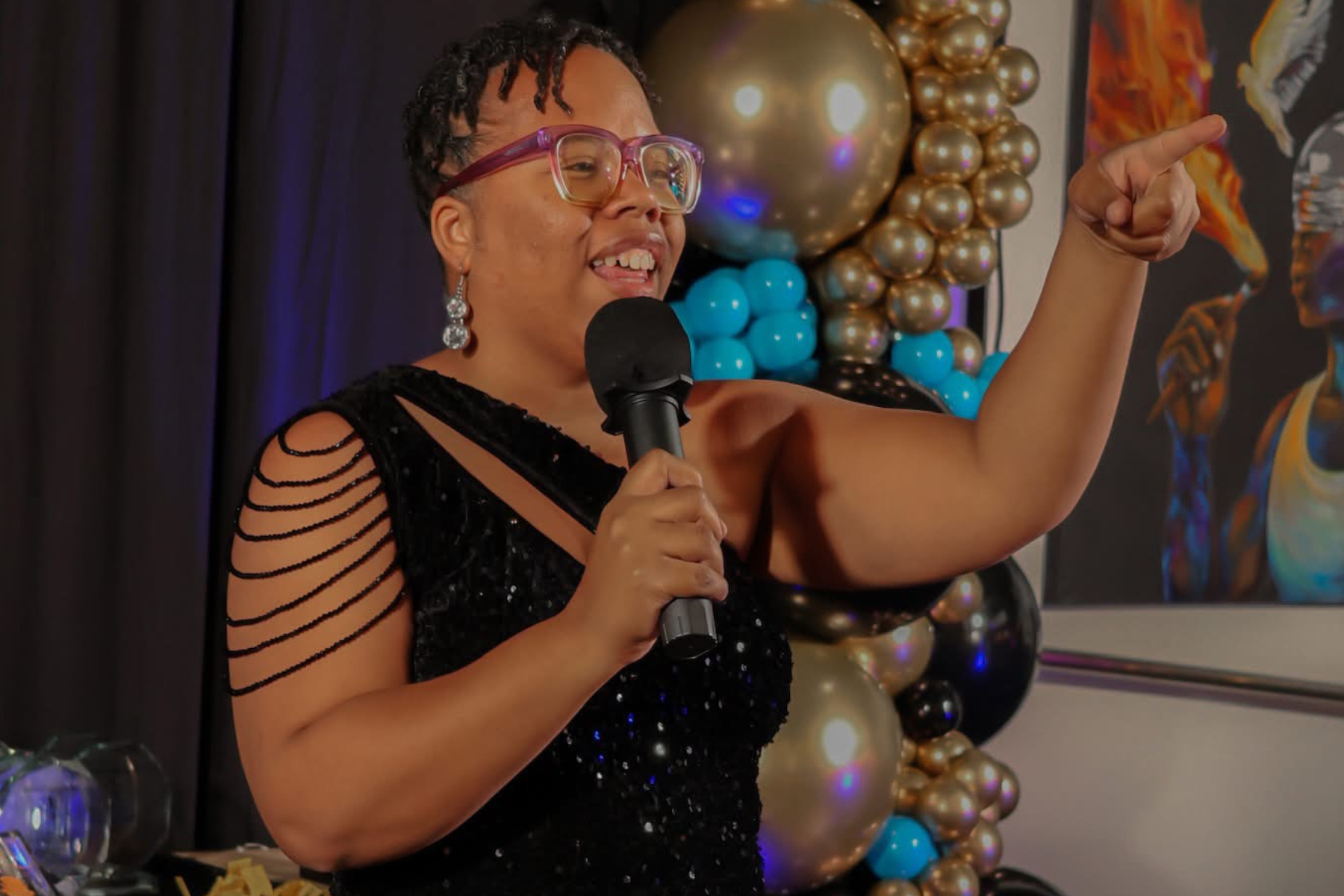
Dr. Stevii Aisha Mills is challenging the way high achieving women think about making money. While many professionals spend months planning, researching, and second guessing their next move, she is focused on one thing, execution.
As a Visibility Coach and Strategist, Dr. Stevii helps high achieving women turn their expertise into income through strategic visibility and consistent action. With more than 30 years of experience in marketing and public relations and over 16 years as an entrepreneur, she has built multiple six figure businesses by committing to what works instead of overcomplicating the process.
That perspective was shaped through experience. After facing significant financial setbacks and rebuilding from less than zero, Dr. Stevii made a defining shift. She stopped relying on complex strategies and focused on taking clear, consistent action that produces results. That decision became the foundation of her work today.
She is the creator of the Click To Cash® framework, a process designed to help entrepreneurs and professionals turn attention into income through visibility and consistency. In addition to coaching and consulting, she is a prolific author with more than 30 published books, including Cultivating Your It Factor and Click To Cash. Her work and entrepreneurial journey have been featured on major media platforms including BET, CBS, FOX, and ABC.
Her message is simple but direct. Visibility is not about popularity. It is about positioning, connection, and creating opportunities that lead to revenue.
Simplifying Success Through Immediate Action
In recent months, Dr. Stevii has intentionally moved away from traditional, slow moving business strategies and toward faster, execution driven models. Rather than encouraging professionals to spend months preparing, she helps high achieving women move from idea to execution in as little as 24 to 72 hours.
This shift has led to the expansion of her Click To Cash® framework into short term, focused experiences designed to eliminate overwhelm and create immediate momentum. These programs are built to help women quickly position themselves, communicate their expertise, and begin generating income opportunities without delay.
She also demonstrates these principles in real time. Through daily content creation and TikTok Shop affiliate marketing, Dr. Stevii shows her audience exactly how attention converts into revenue. Instead of teaching from theory, she models the process as it happens, reinforcing that consistency is what drives results in today’s digital economy.
Another area of growth has been The Permission Slip Club, a community she co hosts with Dr. Marilyn Porter. With more than 30 members and growing, the space is designed to support high achieving women in making bold decisions, increasing visibility, and creating real time income opportunities. The focus is simple, take action, stay visible, and execute consistently.
Elevating Women Leaders and Expanding Community Impact
As her platform grows, Dr. Stevii is using her visibility to highlight other women who are making meaningful contributions in their industries and communities.
Among them is Rhonda Woolard, whose work advances child welfare and sexual abuse support through innovative programs and advocacy. She is also spotlighting Keisha Boatwright, a certified 200 hour yoga instructor and creative entrepreneur who combines wellness and crafting to build community centered experiences.
Dr. Stevii is also highlighting Faye Horton, owner of F S Horton Insurance Professionals LLC, who helps sales professionals scale their authority and impact through high ticket coaching and strategic sales systems. In addition, she is featuring Shawnise White, owner of Beauty Mint Studio, a luxury beauty lounge known for delivering elevated beauty experiences centered on confidence and professionalism.
Through these collaborations, she continues to reinforce a core belief, visibility creates opportunity, not just for herself, but for the women she brings into the spotlight.
At the same time, she remains committed to growing The Permission Slip Club as a space where high achieving women can take action, increase their visibility, and create new income streams through consistent execution.
More information about The Permission Slip Club can be found at signingmyslip.com.
Dr. Stevii Aisha Mills is not just teaching visibility. She is redefining how high achieving women turn what they already know into real income.
Her message is clear. Stop overthinking. Start executing. The results will follow.
Contact Information
Email: stevii@stevii.com
Website: www.stevii.com
Facebook: Stevii Aisha Mills
Instagram: @juststevii
Sponsors:
Shawnise White
Instagram: @beautymintstudio

Keisha Boatwright
Website: www.soulistickesh.com

Rhonda Woolard
Website: www.rjwguidingservices.com

Faye Horton
Website: http://fayesaxonhorton.com


Patricia “Coach Pat” Pearson is an AI Publishing Consultant, helping experts package their expertise into professional branded products that create both impact and income. Through her innovative approach to publishing and business strategy, she empowers entrepreneurs to turn their knowledge into journals, planners, guided workbooks, and other purpose driven products that elevate their visibility, strengthen their authority, and generate additional streams of revenue.
Known for her ability to blend purpose, strategy, and modern technology, Coach Pat has become a trusted voice for entrepreneurs who want to simplify the content creation process without losing authenticity. She teaches clients how to use artificial intelligence as a tool to organize ideas, sharpen messaging, and accelerate the publishing process. Rather than encouraging people to write lengthy traditional books, she focuses on helping them create practical products that directly serve their audience while positioning them as leaders in their industry.
Coach Pat’s work is rooted in the belief that every entrepreneur already possesses valuable wisdom capable of transforming lives. Her mission is to help clients recognize that their experiences, expertise, and insights can become meaningful products that leave a lasting impact. Through coaching, speaking engagements, publishing guidance, and educational resources, she helps purpose driven professionals package what they already know into tools that inspire, educate, and empower others.
Her warm and empowering coaching style has attracted entrepreneurs who desire clarity, confidence, and structure in bringing their ideas to life. Whether working with emerging coaches, established speakers, or service based business owners, Coach Pat equips clients with practical strategies that simplify the publishing journey while preserving the heart behind their message. She is passionate about helping leaders build brands that extend beyond services alone by creating products that strengthen legacy, expand influence, and increase long term opportunities.
At the center of Patricia Pearson’s work is a commitment to helping people move from uncertainty to execution. By combining innovation with intentionality, she continues to inspire entrepreneurs to embrace technology, share their knowledge boldly, and create products with purpose, profit, and meaningful influence.
Turning Expertise Into Branded Products With Purpose
Many entrepreneurs spend years building knowledge, solving problems, and serving people, but they often struggle to package that expertise into something tangible that can expand their brand. Patricia Pearson believes that too many professionals underestimate the value of what they already know. Through her coaching and publishing programs, she helps clients recognize that their knowledge can become products that educate, inspire, and generate long term income.
Coach Pat focuses on helping entrepreneurs create journals, planners, guided resources, and branded materials that provide value to their audience while reinforcing their authority in the marketplace. She teaches clients that publishing is no longer limited to writing a traditional book. Instead, entrepreneurs can develop practical products that meet the needs of their audience while also creating opportunities for visibility, credibility, and recurring revenue.
Her approach is centered on simplicity and execution. Many people delay publishing because they feel overwhelmed by the process or assume they need to spend years writing extensive content. Coach Pat removes that barrier by helping clients organize their ideas strategically and turn their expertise into products that can be created more efficiently. She believes that entrepreneurs already possess the information needed to create impactful resources and that the key is learning how to package it effectively.
What makes her work especially valuable is the way she connects branding with purpose. Every product is designed to align with the entrepreneur’s mission, audience, and long term goals. Rather than creating products simply to sell, Coach Pat teaches clients how to create resources that genuinely help people while strengthening their professional identity. By guiding entrepreneurs through the process of transforming knowledge into meaningful products, she helps them build businesses that are not only profitable but also influential and lasting.
Using AI to Simplify the Publishing Process
Artificial intelligence continues to reshape industries across the world, and Patricia Pearson has positioned herself at the forefront of helping entrepreneurs use AI strategically within publishing and content creation. While many professionals feel intimidated by technology, Coach Pat teaches clients how to embrace AI as a practical tool that simplifies the creative process without replacing authenticity or personal insight.
One of the most important lessons she shares is that AI should support expertise rather than replace it. According to Coach Pat, entrepreneurs already carry the wisdom, experiences, and ideas needed to serve their audience. AI simply helps organize those ideas faster, sharpen messaging, and remove some of the overwhelm that often prevents people from moving forward. This approach allows business owners to focus more on strategy, creativity, and impact instead of becoming stuck in perfectionism or confusion.
Her clients learn how to use AI to brainstorm ideas, structure content, develop outlines, and create branded publishing materials more efficiently. By introducing systems and tools that simplify execution, Coach Pat helps entrepreneurs save valuable time while increasing productivity. This is especially important for busy professionals who want to expand their business but struggle to balance content creation with client work and daily responsibilities.
Coach Pat also emphasizes that technology should never remove the personal connection between entrepreneurs and their audience. She encourages clients to maintain their unique voice, experiences, and perspective throughout the publishing process. AI becomes a resource that enhances efficiency while allowing the entrepreneur’s authenticity to remain at the center of the message.
As more businesses look for innovative ways to stand out in competitive industries, Patricia Pearson believes those who learn to combine technology with purpose will have a significant advantage. Her ability to make AI approachable and practical has helped many entrepreneurs gain confidence in using modern tools to bring their ideas to life faster while maintaining the integrity of their brand.
Building Visibility, Authority, and Additional Revenue Streams
For many entrepreneurs, visibility and credibility are essential to long term business growth. Patricia Pearson teaches clients that creating branded publishing products is one of the most effective ways to establish authority while opening doors to new opportunities. Through journals, planners, guided resources, and educational materials, entrepreneurs can position themselves as trusted experts while creating additional income streams that extend beyond one on one services.
Coach Pat believes that too many professionals rely solely on service based income, which can limit both growth and scalability. By creating products connected to their expertise, entrepreneurs gain the ability to serve more people while increasing brand exposure in a meaningful way. A planner, workbook, or guided journal can continue working for the entrepreneur long after it has been created, helping build recognition and influence over time.
Another major advantage of publishing products is the ability to strengthen audience connection. Coach Pat encourages entrepreneurs to think about the transformation their audience needs and then create resources that help guide them through that journey. Instead of focusing only on promotion, she teaches clients to prioritize service and value. This creates stronger trust with customers while increasing the likelihood of long term loyalty and engagement.
In addition to generating income, published products also create opportunities for speaking engagements, coaching programs, workshops, and partnerships. Coach Pat explains that a well branded product becomes more than an item to sell. It becomes a representation of expertise, professionalism, and leadership. This expanded visibility can lead to greater recognition within an industry and position entrepreneurs for future growth.
Her work continues to inspire purpose driven professionals to think beyond traditional business models and recognize the power of their own intellectual property. By helping entrepreneurs transform knowledge into products with practical value, Coach Pat is equipping leaders to build businesses that create both financial growth and lasting impact.
Creating a Legacy Through Knowledge and Service
At the heart of Patricia Pearson’s work is a commitment to helping entrepreneurs create something that extends far beyond financial success. She believes that knowledge carries the power to influence generations, and she encourages clients to view publishing as an opportunity to leave a meaningful legacy. Through every journal, planner, workbook, and guided product created, entrepreneurs have the chance to preserve their experiences, lessons, and insights in a way that continues serving people long into the future.
Coach Pat often reminds clients that many people are waiting for the exact wisdom they already possess. Whether someone has overcome personal challenges, developed business expertise, or discovered systems that create transformation, those experiences can become valuable resources that help others navigate similar journeys. By packaging knowledge intentionally, entrepreneurs can multiply their impact while building something that reflects their purpose and values.
Legacy, according to Coach Pat, is not only about recognition. It is about contribution. She teaches entrepreneurs to think about how their work can educate, encourage, and empower people beyond immediate business transactions. This mindset shifts the focus from simply creating products to creating meaningful tools that genuinely improve lives.
Her passion for helping others step into greater confidence is reflected in the way she coaches and mentors clients. Many entrepreneurs begin the publishing process uncertain about whether their ideas are valuable enough to share. Coach Pat helps them recognize that authenticity, lived experience, and practical knowledge carry tremendous value when presented with clarity and purpose.
As entrepreneurship continues evolving in the digital age, Patricia Pearson remains committed to helping leaders use innovation responsibly while staying connected to their mission. Through her work as an AI Publishing Consultant, coach, and author, she is helping entrepreneurs create products that generate income, strengthen influence, and leave a lasting legacy rooted in service, empowerment, and transformation.
Contact Information
Email: ppearsonllc@gmail.com
Website: yourknowledgepays.com
Facebook: CoachPatPearson
Instagram: @CoachPatPearson
LinkedIn: Coach Pat Pearson

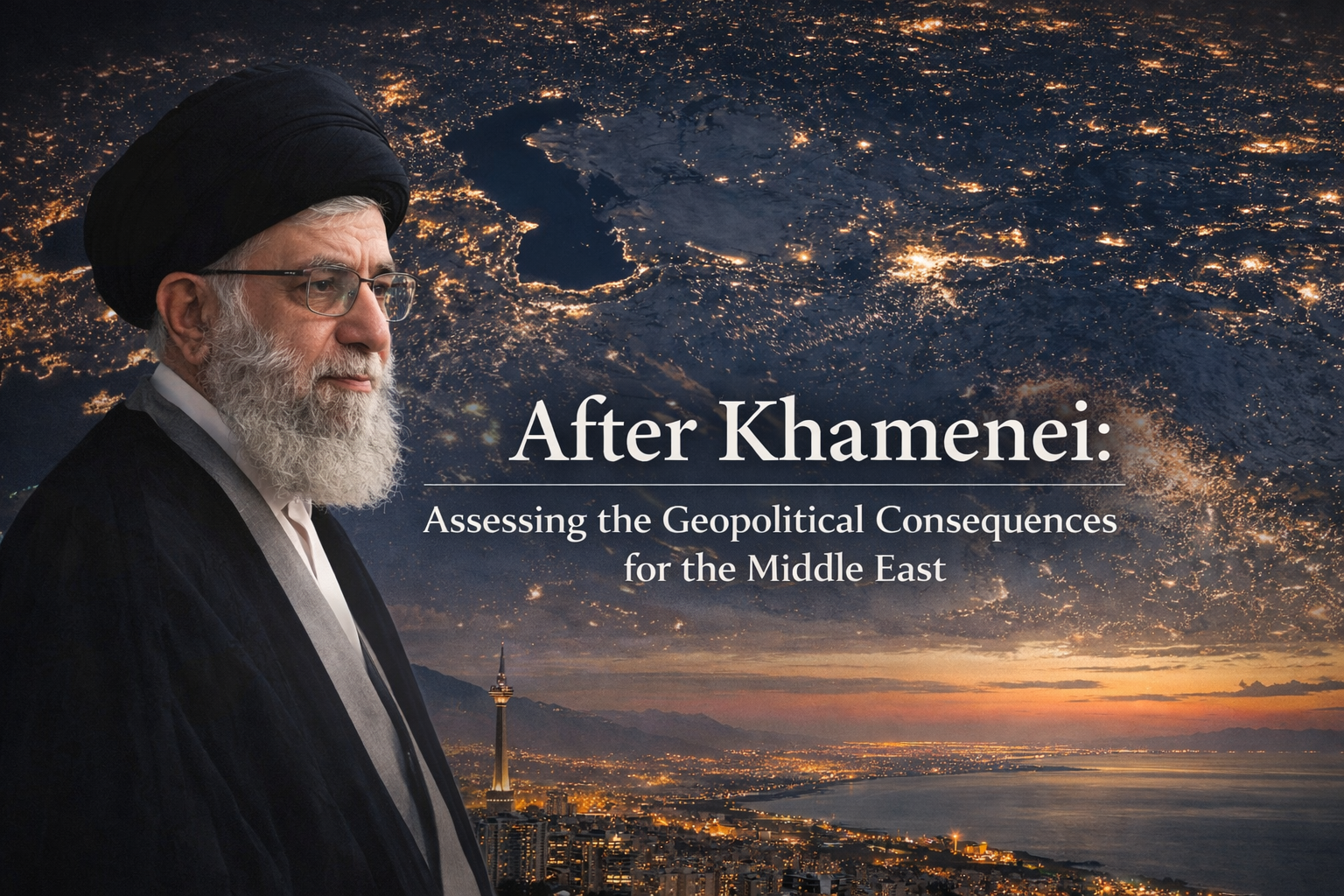
The reported death of Iran’s Supreme Leader Ayatollah Ali Khamenei represents more than a dramatic leadership change inside the Islamic Republic—it signals a potential inflection point for the geopolitical balance of the Middle East.
For over three decades, Khamenei served as the ultimate decision-maker shaping Iran’s foreign policy, military posture, and regional influence through a network of state and non-state actors stretching from Lebanon to Yemen. His sudden absence introduces a rare moment of strategic uncertainty in one of the world’s most consequential energy and security corridors.
As regional powers, global markets, and international policymakers assess the implications, the central question is no longer confined to Iran’s succession process, but whether this transition will recalibrate regional deterrence dynamics or accelerate an already fragile security environment toward broader instability.
Iran’s Internal Power Transition: A System Built Around One Authority
Iran now enters a period of political transition shaped less by formal procedure and more by institutional power balance. The Supreme Leader’s role has historically functioned as the central stabilizing force within the Islamic Republic, meaning succession carries systemic implications rather than symbolic ones.
Key Dynamics Shaping the Transition
Centralized Authority Structure
The Supreme Leader controls Iran’s military command, judiciary, intelligence services, and strategic foreign policy decisions. Leadership change therefore affects the entire governing framework simultaneously.
Role of the Assembly of Experts
While constitutionally responsible for appointing the next Supreme Leader, the clerical body operates within a broader ecosystem of political influence, limiting the likelihood of a purely procedural transition.
Growing Influence of the IRGC
The Islamic Revolutionary Guard Corps has evolved into Iran’s most powerful political-economic actor. Its influence may shape both candidate selection and future governance priorities, potentially strengthening security-driven policymaking.
Factional Competition Within the Elite
Conservative clerics, technocratic political figures, and military leadership may pursue competing visions for Iran’s future direction, increasing the risk of internal friction.
Domestic Economic and Social Pressures
Sanctions, inflation, and recurring protest movements create additional constraints, making political stability during succession more difficult to maintain.
Strategic Implication
Rather than immediate regime collapse, the primary risk facing Iran—and the region—is decision-making uncertainty. During leadership consolidation, foreign policy responses may become less predictable, particularly across Iran’s regional proxy networks and deterrence posture.
Regional Power Dynamics: Israel, Gulf States, and Proxy Networks
Khamenei’s absence immediately alters the Middle East’s strategic equation. Iran’s regional posture was not accidental. It was engineered over decades through deterrence, asymmetric warfare, and proxy influence.
Now, regional actors are reassessing risk.
Israel: Opportunity and Uncertainty
- Israel faces a paradox.
A weakened Iranian leadership may reduce short-term coordination among proxy forces.
But instability increases miscalculation risk. - Iranian retaliation no longer depends on centralized command alone.
Decentralized actors may act independently. - Preventive military doctrine is likely to remain active.
Strategic patience becomes harder during uncertainty.
Gulf States: Stability Above All
- Saudi Arabia and the United Arab Emirates prioritize containment, not escalation.
- Recent diplomatic normalization efforts with Tehran now face disruption.
- Energy infrastructure security becomes a primary concern.
For Gulf economies, instability in Iran translates directly into market volatility and investment risk.
Proxy Networks: The Critical Variable
Iran’s regional influence extends beyond its borders through aligned armed groups across:
- Lebanon
- Iraq
- Syria
- Yemen
These networks were built to function even under leadership pressure. Command fragmentation, however, increases unpredictability.
Local commanders may interpret retaliation thresholds differently. Small conflicts can escalate quickly.
Energy Markets and Global Economic Exposure
Political shocks in Iran rarely remain regional. They move quickly into global markets. Energy is the transmission channel.
Iran sits near the Strait of Hormuz, the world’s most critical oil transit corridor. Nearly a fifth of global petroleum supply passes through this narrow passage daily. Any perception of disruption immediately affects pricing expectations.
Markets react first to uncertainty, not shortages.
Oil Market Sensitivity
- Traders price geopolitical risk instantly.
- Even limited military escalation can trigger sharp volatility.
- Insurance costs for shipping rise before physical supply declines.
Energy markets are therefore responding to risk probability, not confirmed disruption.
The Strait of Hormuz Factor
Iran has historically treated maritime pressure as a strategic lever.
Potential responses include:
- Naval harassment operations
- Temporary shipping disruptions
- Proxy attacks on regional infrastructure
None require full-scale war. All influence global supply confidence.
European and Asian Exposure
Energy-importing economies remain highly sensitive:
- Europe continues managing post-Ukraine energy restructuring.
- Asian economies depend heavily on Gulf oil flows.
- Emerging markets face currency pressure when oil prices rise.
Higher energy costs quickly translate into inflation risk and slower growth projections.
Investor and Market Implications
Financial markets interpret Middle East instability through three lenses:
- Energy price volatility
- Defense sector expansion
- Safe-haven asset movement
Periods of geopolitical uncertainty typically strengthen commodities and defensive investment positions while increasing pressure on risk-sensitive sectors.
A Defining Moment Beyond Iran
The death of Ayatollah Ali Khamenei is not simply the end of a political era in Iran. It marks the removal of one of the Middle East’s longest-standing strategic anchors at a time when global stability is already under strain. What follows is unlikely to be immediate collapse or rapid transformation, but something potentially more consequential: prolonged uncertainty inside a state central to regional security, global energy flows, and great-power competition. I
ran’s next leadership structure will shape deterrence dynamics from the Persian Gulf to the Mediterranean, influencing how allies calculate risk and how adversaries test limits. For policymakers, investors, and regional governments alike, the critical question is no longer whether the Middle East will change—but how quickly instability can spread when a system built around one authority suddenly loses its center. In geopolitical terms, moments like this do not close chapters. They begin new ones.
-

 Featured2 years ago
20 Entrepreneurs to Watch Closeout 2024
-

 Real Estate2 years ago
Startups Are Looking To Fractionalize Real Estate Assets, But Should They? – Forbes
-

 Innovation2 years ago
Leo Horacio: A Successful Entrepreneur in the Ecommerce and Online Sales Industry
-

 Innovation2 years ago
Innovators in Social-Emotional Learning: Dr. Myava Clark and Chris Clark Jr.
-

 Music2 years ago
Artist Deydee Signs $350,000 Contract with Rueda Empire LLC
-

 Latest2 years ago
Florida Gov DeSantis signs 15-week abortion ban | Latest News
-

 Latest2 years ago
Charles zhang recognized by forbes as #1 on michigan’s 2022 best in state wealth advisor list
-

 Uncategorized2 years ago
Trailblazer in Business: Alicia Fitts on Building Wealth and Community Through Faith